

Lake Properties Lake Properties
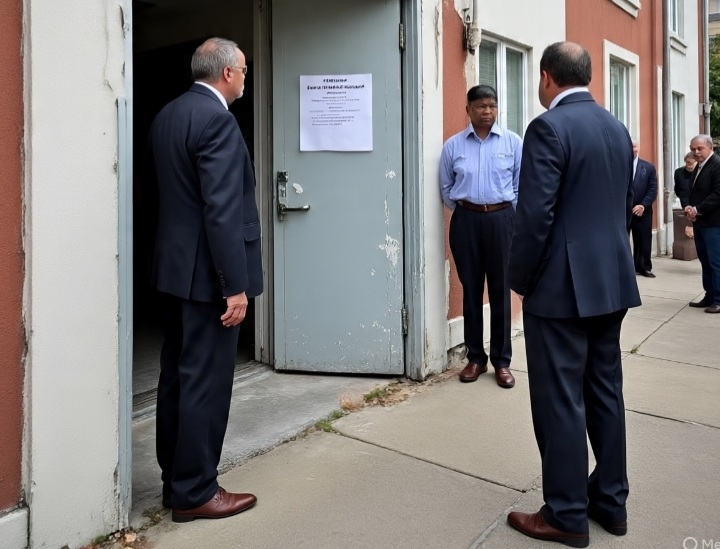
Here is a detailed, step-by-step elaboration of the actions the Body Corporate can take when an owner defaults on levy payments in a Sectional Title Scheme in South Africa:
✅ 1. Initial Internal Communication
- The managing agent or trustees will typically:
- Send email or written reminders.
- Phone the owner to notify them of their arrears.
- Offer payment arrangements or discuss the reasons for non-payment if necessary.
- This is aimed at resolving the matter amicably before escalating it.
✅ 2. Interest and Penalties
- The Body Corporate is allowed to:
- Charge interest on outstanding levies, often stipulated in the scheme’s conduct or management rules.
- Interest can be compounded monthly and usually ranges between 1.5% to 2% per month.
- These interest charges serve as a deterrent against late payments.
✅ 3. Final Demand / Letter of Demand
- If informal reminders fail, the Body Corporate:
- Issues a final written demand to the defaulting owner.
- This letter warns that failure to settle the debt within a specified time frame (commonly 7 to 14 days) will result in legal action.
- The letter usually includes:
- Total arrears plus interest.
- Payment deadline.
- Bank details for settlement.
✅ 4. Legal Recovery: Attorneys and Court Action
- If the owner does not respond, the matter is escalated to attorneys.
- Legal action includes:
- Issuing a formal letter of demand through attorneys.
- If still unpaid, initiating a court application for a debt judgment.
- Once a judgment is granted, the attorneys can:
- Attach movable assets (furniture, electronics, etc.).
- Attach the rental income from the unit (if it is leased out).
- Apply for a writ of execution to sell the unit at a sheriff auction to recover the debt.
✅ 5. Credit Listing
- The Body Corporate or its attorneys can report the debt to credit bureaus, affecting the owner's credit score.
- This can restrict the owner's ability to access credit or loans elsewhere.
✅ 6. Suspension of Voting Rights
- According to the Prescribed Management Rules (PMR 20(2)), an owner in arrears loses their right to vote at general meetings of the Body Corporate.
- They may also be restricted from using certain communal facilities, though this depends on the rules of the scheme.
✅ 7. Continuous Interest and Legal Costs
- The debt continues to accrue interest until paid.
- The Body Corporate can recover legal costs (as per the attorney-client scale) from the defaulting owner, making the debt significantly larger over time.
✅ 8. Final Resort: Sale in Execution
- If the debt remains unpaid, the court may authorise the sale of the unit in execution.
- The proceeds of the sale are used to:
- Settle the outstanding levies.
- Pay legal and sheriff’s fees.
- Settle any municipal arrears, before any surplus is paid to the owner.
✅ Best Practices for the Body Corporate
- Adopt a clear arrears policy communicated to all owners.
- Act swiftly to avoid arrears compounding.
- Balance firmness with empathy where possible.
- Keep thorough records of all communications and notices sent to the owner.


No comments:
Post a Comment