Welcome to Lake Properties PROPERTY CAPE TOWN Lake Properties is a young and dynamic real estate ag

My photo
Cape Town, Western Cape, South Africa
Lake Properties, Cape Town is a young and dynamic real estate agency located in Wynberg, Cape Town. We offer efficient and reliable service in the buying and selling of residential and commercial properties and vacant land in the Southern Suburbs including Bergvliet,Athlone,Claremont,Constantia,Diepriver,Heathfield,Kenilworth,Kenwyn,Kreupelbosch, Meadowridge,Mowbray,Newlands,Obervatory,Pinelands,Plumstead,Rondebosch, Rosebank, Tokia,Rondebosch East, Penlyn Estate, Lansdowne, Wynberg, Grassy Park, Steenberg, Retreat and surrounding areas . We also manage rental properties and secure suitably qualified tenants for property owners. Another growing extension to our portfolio of services is to find qualified buyers for business owners who want to sell businesses especially cafes, supermarkets and service stations. At Lake Properties we value our relationships with clients and aim to provide excellent service with integrity and professionalism, always acting in the best interest of both buyer and seller. Our rates are competitive without compromising quality and service. For our clients we do valuations at no charge

Friday, 20 December 2024

How does non-compliance with National Home Builders Registration Council (NHBRC) regulations effect you as homeowner?

Lake Properties                            Lake Properties
Lake Properties                           Lake Properties
Non-compliance with the National Home Builders Registration Council (NHBRC) regulations in South Africa can have significant consequences for homeowners. The NHBRC ensures that building standards are maintained, and homes are constructed according to approved regulations to protect buyers. Here are the potential effects of non-compliance:

1. No Access to Financial Institutions for Funding

If the builder is not registered with the NHBRC, financial institutions will not grant a home loan for the property. This is because NHBRC registration is a requirement for loan approval.

You may struggle to sell the property later, as buyers might face similar financing challenges.

2. No Structural Warranty

The NHBRC provides a five-year structural warranty for defects due to poor workmanship or materials. If your home is built without NHBRC compliance, you lose this protection.

As a homeowner, you bear the cost of rectifying structural defects that arise during this period.

3. Legal and Financial Liabilities

Building without NHBRC-compliant registration is illegal under the Housing Consumers Protection Measures Act (Act 95 of 1998). You could face penalties or legal action.

Non-compliance may also lead to fines or orders to halt construction, delaying or increasing costs for your project.

4. Poor Workmanship

NHBRC-compliant builders must meet specific standards for construction quality. Using unregistered builders increases the risk of substandard work.

If issues arise, you cannot seek recourse through the NHBRC to resolve disputes or force remedial action.

5. Difficulty in Selling the Property

Prospective buyers may require NHBRC certification before proceeding with a purchase. A lack of compliance could reduce your home's market value or make it unsellable.

6. Limited Insurance Coverage

Many insurers require NHBRC compliance before covering defects or damages. Non-compliance might limit your ability to claim under certain policies.

Steps to Ensure Compliance

Always verify that your builder is registered with the NHBRC before starting construction.

Check that your project has been enrolled with the NHBRC.

Retain all documentation related to NHBRC registration and warranties for future reference.

In summary, non-compliance can leave you exposed to financial, legal, and practical risks, emphasizing the importance of adhering to NHBRC regulations.
Lake Properties                        Lake Properties
   

Thursday, 19 December 2024

How does rising crime rate affect you and how does it effect the value of your house?


Lake Properties                         Lake Properties   
Lake Properties                       Lake Properties
Causes of Crime in South Africa 
Several factors contribute to crime in South Africa, including:

1. Economic Inequality

High levels of poverty and unemployment create financial desperation, leading some individuals to commit crimes like theft, robbery, and fraud.

2. Social Inequality

Disparities in education, housing, and opportunities exacerbate feelings of marginalization, which can drive criminal behavior.

3. Substance Abuse

Drug and alcohol addiction often contribute to violent crimes and property crimes as individuals seek funds to sustain their habits.

4. Family Dysfunction

Broken homes, domestic abuse, and poor parenting can contribute to juvenile delinquency and criminal tendencies.

5. Gang Activity

Organized crime and gang cultures in urban areas lead to drug trafficking, violent crime, and territorial disputes.

6. Weak Law Enforcement

Overburdened police forces, corruption, and inefficiencies in the justice system can embolden criminals.

7. Historical Factors

Apartheid-era inequalities and the subsequent socioeconomic disparities continue to impact crime rates today.

8. Urbanization

Rapid urbanization has led to overcrowded informal settlements with poor infrastructure, which often become hubs for crime.

Effects of Crime on Property Values in South Africa

1. Decreased Demand for Housing

Areas with high crime rates experience reduced demand for residential and commercial properties, lowering property values.

2. Increased Costs for Security

Property owners may need to invest heavily in security measures such as alarms, electric fences, and private security services, which can deter potential buyers or renters.

3. Stunted Economic Growth

Businesses avoid crime-prone areas, leading to unemployment and further reductions in property demand.

4. Flight to Safer Areas

As residents and businesses migrate to safer neighborhoods, the oversupply of properties in crime-heavy areas further depresses their value.

5. Difficulty in Selling Properties

Properties in high-crime areas often stay on the market longer and sell at a significant discount.

6. Reputational Damage

Areas known for crime gain a negative reputation, discouraging investment and development.

In summary, crime not only destabilizes communities but also directly impacts the economic value of property, perpetuating cycles of poverty and inequality.
Lake Properties                          Lake Properties
 

Must I build my dream house or must I buy my dream house?

Lake Properties                              Lake Properties
Lake Properties                          Lake Properties
The decision to build or buy your dream house depends on several factors, including your budget, timeline, personal preferences, and the real estate market. Here’s a breakdown to help you decide:

Build Your Dream House

Pros:

Customization: You can design everything to fit your preferences, from layout to materials.

Modern Features: You can include the latest energy-efficient and smart home technologies.

Emotional Fulfillment: There's a sense of pride in building something from scratch.

Cons:

Time-Consuming: Building takes longer than buying, often 6-12 months or more.

Potential Stress: Managing construction, permits, and contractors can be overwhelming.

Unforeseen Costs: Budgets can escalate due to unexpected expenses.

Buy Your Dream House

Pros:

Quicker Move-In: You can move in almost .

Less Hassle: No need to manage construction or make endless design decisions.

Established Neighbourhoods: You may find homes in mature, desirable locations.

Cons:

Limited Customization: The home may not fully align with your vision.

Potential Renovation Costs: You might need to spend extra to make changes.

In-demand properties might be costly or involve bidding wars.

Questions to Ask Yourself

1. Budget: Can you afford the cost of building, including land, or is buying more cost-effective?

2. Location: Is there land available where you want to live, or are homes in that area better suited?

3. Time: Do you need to move soon, or can you wait for a custom home to be built?

4. How important is personalization to you?

If you value personalization and can handle the timeline and costs, building might be best. If you prioritize convenience and speed, buying could be the better option.
Lake Properties                               Lake Properties

Wednesday, 18 December 2024

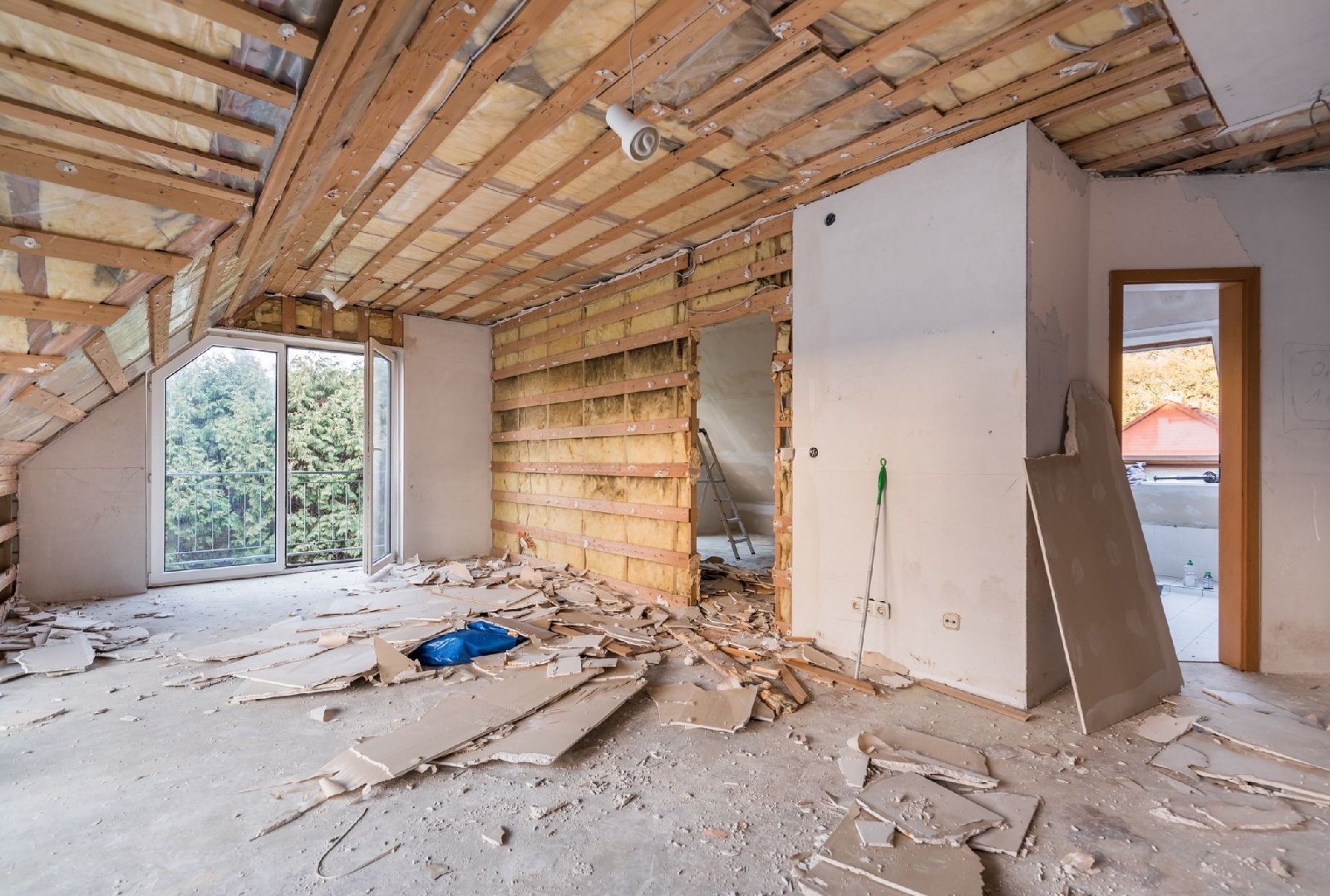
What are the pro's and cons of renovating your home

Lake Properties                             Lake Properties Lake Properties                             Lake Properties


Renovating a home in South Africa comes with several pros and cons that depend on factors like local regulations, market conditions, and the specific needs of your property. Here's an overview:

Pros
1. Increased Property Value
Renovations can boost the market value of your property, especially in sought-after areas. Upgrading kitchens, bathrooms, or outdoor spaces can yield high returns.

2. Personalization
Tailoring your home to your preferences allows you to create spaces that fit your lifestyle without needing to move to a new property.

3. Cost Savings Compared to Moving
Renovating is often more cost-effective than selling your current home and purchasing a new one, especially with South Africa's high transfer duty and other moving costs.

4. Energy Efficiency
Upgrading to energy-efficient systems (like solar panels or insulated windows) can reduce utility bills, which is particularly beneficial in areas with unreliable electricity supply (load shedding).

5. Local Expertise
South Africa has a wide range of skilled professionals and affordable materials, making it easier to find cost-effective renovation options.

6. Increased Space
Adding extensions or repurposing existing spaces (like converting a garage into an office) can make your home more functional for growing families or new work-from-home setups

Cons

1. Costs Can Escalate
Renovation projects often go over budget due to unexpected issues like structural defects or rising material costs.

2. Disruption
Renovations can disrupt daily life, with noise, dust, and construction workers on-site for extended periods.

3. Regulations and Permits
South African municipalities often require building permits for renovations, which can be a lengthy and costly process. Not adhering to regulations can result in fines or legal issues.

4. Load Shedding and Delays
Frequent power outages can delay projects, especially if contractors rely on electrical tools or systems.

5. Return on Investment (ROI) Varies
The ROI depends on market conditions, your neighborhood, and the type of renovation. Overcapitalizing on a home in an area with limited demand may not yield expected returns 

6. Structural Risks
Older homes may require costly structural repairs (e.g., plumbing, roofing, or foundational issues) before cosmetic upgrades can be undertaken.

7. Fluctuating Material Costs
The price of materials in South Africa can fluctuate due to currency changes and import/export dynamics, impacting your budget.

8. Risk of Poor Workmanship
If  contractors, you may face quality issues, leading to additional expenses for corrections.

Tips for Successful Renovations in South Africa

1. Plan and Budget Carefully
Factor in at least a 10-20% contingency for unexpected costs.

2. Research Regulations
Ensure compliance with municipal by-laws and obtain all necessary permits.

Hire Reputable Contractors
Check references, verify qualifications, and ensure they are NHBRC (National Home Builders Registration Council) certified.

4. Focus on Key Areas
Prioritize renovations that add the most value, such as, bathrooms, and outdoor spaces.

5. Sustainable Upgrades
Invest in solar panels, water tanks, and energy-efficient appliances to future-proof your home and save on utilities.

By carefully weighing these factors, you can make informed decisions to ensure your renovation adds value and enhances your living experience.
Lake Properties                            Lake Properties

What happens if you fall behind on your rates. What can you do?

Lake Properties                               Lake Properties
Lake Properties                         Lake Properties
Falling behind on your payments in South Africa can lead to serious consequences, including penalties, interest, legal action, and potentially losing assets. Here’s a breakdown of what can happen and what you can do:

What Happens If You Fall Behind on Rates:

1. Interest and Penalties:

Municipalities typically charge interest on overdue rates and may impose penalties. This increases your overall debts 

2. Debt Collection Process:

The municipality may send demand letters or notices of arrears.

If you don’t respond, they may hand over the debt to attorneys or debt collectors, escalating costs.

3. Legal Action:

Municipalities can apply for a court judgment to recover the debt.

In extreme cases, they can attach your property and sell it to recover unpaid rates.

4. Restriction of Services:

Some municipalities may restrict access to services like electricity or water (if they supply these) until the arrears are settled.

What You Can Do:

1. Communicate with the Municipality:

Contact your local municipality as soon as you fall behind.

They may offer payment arrangements or reduced penalties.

2. Apply for a Payment Arrangement:

Most municipalities allow you to set up a plan to pay off arrears in installments.

Be honest about what you can afford to avoid defaulting again.

3. Check for Rebates or Assistance:

If you are a pensioner, low-income earner, or unemployed, you may qualify for rebates or subsidies.

Visit your local municipality's office to apply for these benefits.

4. Debt Review or Counselling:

If your rates are part of broader financial struggles, consult a debt counselor to consolidate debts and create a manageable repayment plan.

5. Sell or Rent Out Property:

If maintaining the property is unsustainable, consider selling or renting it out to cover the rates.

6. Legal Advice:

If legal action has already started, consult an attorney to understand your rights and options.

7. Avoid Ignoring Notices:

Ignoring the situation can lead to further costs and potential loss of property.

Being proactive and negotiating with the municipality early can help you avoid severe consequences.
Lake Properties                             Lake Properties

What will happens if the demographics ,religion and culture of the area changes where you live in.What can you do?


Buying a house in an area where your religion conflicts with that of the majority in South Africa can lead to several potential outcomes. These outcomes will largely depend on the specific community, the level of tolerance, and the degree of the conflict. Here's what could happen:

1. Acceptance and Peaceful Coexistence

South Africa’s Constitution: The country has a strong constitutional commitment to freedom of religion, belief, and opinion (Section 15 of the Constitution). This legal framework encourages tolerance and diversity.

Diverse Communities: In urban or more progressive areas, people are generally more accepting of diversity. Many neighborhoods are multicultural, so conflicts are less likely.

2. Social Tensions or Isolation

Traditional or Conservative Communities: In areas where communities hold strong, homogenous religious beliefs, you might face subtle or overt forms of social exclusion. For instance:

Difficulty forming relationships with neighbors.

Social events or community activities may feel unwelcoming.

Discrimination: In extreme cases, there may be verbal harassment, discriminatory actions, or pressure to conform to the community's practices.

3. Potential Conflict

Religious Tensions: In areas with existing inter-religious tensions, the presence of a minority religious practice could escalate disputes.

Cultural Clashes: Practices like loud religious ceremonies or attire differences might lead to misunderstandings or complaints from neighbors.

4. Legal Protection and Support

Legal Recourse: If you face discrimination or harassment, you have legal protection under South Africa’s Constitution. Organizations like the South African Human Rights Commission (SAHRC) can provide support.

Community Support: In larger areas, you might find religious or cultural organizations to support and advocate for your rights.

5. Ways to Mitigate Issues

Engage with the Community: Take proactive steps to learn about and engage with your neighbors to foster mutual respect.

Seek Diverse Neighborhoods: Opt for areas known for their religious or cultural diversity.

Awareness and Respect: Be mindful of local customs and traditions while practicing your faith.


Ultimately, the experience depends on the specific community's values and openness to diversity. While challenges may arise, South Africa's constitutional framework ensures your right to live and practice your religion freely.


What will happen if an informal settlement start popping up near your house .What can can you do as a home owner in South Africa

Lake Properties                            Lake Properties
Lake Properties                           Lake Properties

If informal settlements begin to develop near your home in South Africa, it can raise various concerns for homeowners, such as property devaluation, safety, access to resources, or changes to the community dynamics. Here's an overview of what might happen and the steps you can take as a homeowner:

Possible Impacts of Informal Settlements

1. Property Value: 

Informal settlements can sometimes lead to a decrease in property values due to perceptions of safety and infrastructure challenges.

2. Increased Demand on Services: 

Electricity, water, and sanitation systems might become strained.

3. Safety and Security Concerns:

Higher population density may lead to increased crime in some cases.

4. Community Tensions:

Conflicts can arise between homeowners and informal settlers.

What You Can Do as a Homeowner

1. Engage with Local Authorities:

Report the Development: Notify the municipal government or local ward councillor. Under South African law, informal settlements on private or public land require the authorities to intervene.

Seek Eviction Orders: If settlements develop on private land, you can apply for a court-ordered eviction. However, this must be handled in accordance with the Prevention of Illegal Eviction from and Unlawful Occupation of Land Act (PIE Act), which protects the rights of informal settlers

2. Participate in Community Forums:

Work with your neighborhood watch, civic associations, or residents' committees to collectively address concerns.

Advocate for sustainable housing development in your area to prevent informal settlements from expanding.

3. Engage with Settlers:

Open Communication: Sometimes engaging with the informal settlers can help foster mutual understanding and reduce conflict.

Promote Solutions: Advocate for government intervention to provide services like water and sanitation, which can improve living conditions and reduce tension.

4. Monitor Legal Boundaries:

Ensure your property boundaries are clearly demarcated and well-maintained to prevent encroachment.

Install fencing, if necessary, to protect your land.

5. Work with NGOs or Advocacy Groups:

Some organizations mediate between homeowners, informal settlers, and the government to find sustainable solutions, such as relocation or formalization of settlements.

Legal Considerations

Evictions Must Follow Due Process: Illegal evictions are prohibited. If you want settlers removed, it must go through a legal process involving court orders.

Government Responsibilities: Municipalities are tasked with providing housing solutions for informal settlers, which may include relocation to formal housing projects.

Human Rights Obligations: The South African Constitution protects the rights of informal settlers, ensuring their dignity and basic needs are met.
Lake Properties                        Lake Properties


Tuesday, 17 December 2024

Budgeting tips during tough economic times

Lake Properties                            Lake Properties
Lake Properties                           Lake Properties
Budgeting during tough economic times requires a combination of smart planning, resourcefulness, and discipline. Here are some practical tips to help you manage your finances effectively:

1. Assess Your Financial Situation

Track your income and expenses to understand where your money is going.

Identify essential vs. non-essential expenses.

2. Create a Realistic Budget

Use the 50/30/20 rule as a guide:

50% for needs (rent, utilities, food).

30% for wants (entertainment, dining out).

20% for savings and debt repayment.


Adjust the percentages based on your situation.

3. Cut Unnecessary Expenses

Cancel unused subscriptions or memberships.

Opt for free or low-cost entertainment options.

Cook at home instead of eating out.

4. Prioritize Needs Over Wants

Focus on necessities like housing, food, healthcare, and utilities.

Delay or avoid big-ticket purchases that aren’t urgent.

5. Shop Smart

Look for discounts, coupons, and sales.

Buy in bulk for non-perishables.

Opt for generic brands instead of name brands.

6. Build an Emergency Fund

Set aside money, even if it’s a small amount, to cover unexpected expenses.

Aim for 3-6 months' worth of living expenses if possible.

7. Tackle Debt Strategically

Focus on high-interest debts first (credit cards, payday loans).

Consider consolidating debt to lower interest rates.

8. Boost Your Income

Take up a side hustle or freelance work.

Sell items you no longer need.

9. Negotiate Bills

Contact service providers to negotiate lower rates on utilities, internet, or insurance.

Ask about hardship programs for temporary payment relief.

10. Take Advantage of Assistance Programs

Research government or community programs for food, housing, or healthcare assistance.

11. Stay Flexible

Revisit and adjust your budget regularly to reflect changes in income or expenses.

12. Stay Positive and Seek Support

Stay informed but avoid unnecessary stress over economic news.

Share financial tips and strategies with family or friends for mutual support.


Small, consistent steps can help you weather tough times and build a stronger financial foundation.


Monday, 16 December 2024

You bought a home but now you find there is a servitude registered over the property. What can you do?

Lake Properties                              Lake Properties Lake Properties                            Lake Properties

In South Africa, a servitude is a registered right that allows someone else to use or restrict the use of your property in a specific way. Discovering an unwanted or problematic servitude over your property can be concerning. Here's what you can do:

1. Understand the Servitude

Obtain clarity: Check the title deed and servitude agreement to understand its purpose, scope, and duration. Servitudes can be personal (granted to an individual) or praedial (benefiting another property).

Consult the deeds office: Obtain all records related to the servitude for a complete picture.

2. Determine the Impact

Assess whether the servitude materially affects the enjoyment, value, or intended use of your property.

Consult an expert (e.g., a property valuer) to understand the financial or functional implications.

3. Negotiate with the Beneficiary

Engage with the person or entity benefiting from the servitude.

Propose alternatives, such as relocating or extinguishing the servitude, or compensation for giving up their rights.

4. Legal Recourse to Remove or Modify the Servitude

If the servitude is outdated, unfair, or improperly registered:

Seek consent: The servitude beneficiary may voluntarily agree to cancel or amend it. This agreement must be registered at the Deeds Office.

Apply to court: If the servitude is unduly restrictive, unnecessary, or causing unreasonable hardship, you can apply to the High Court to remove or modify it. You will need to show:

The servitude is no longer relevant or needed.

It causes more harm than benefit.

5. Claim for Misrepresentation

If the seller failed to disclose the servitude before the sale and it materially affects the property’s use or value, you may have grounds to claim for damages or rescind the sale agreement. Consult with an attorney to explore this option.

6. Professional Assistance

Consult a conveyancer or property attorney to guide you through the process. They can advise on negotiation strategies, the legal validity of the servitude, and your rights.

Seek assistance from a mediator to resolve disputes amicably, if necessary
7. Future Precautions

Always perform a thorough title deed check and property due diligence before purchasing a property to avoid similar issues.
Lake Properties                              Lake Properties


What happens if you fall behind on bond repayments due to tough economic times

Lake Properties                            Lake Properties
Lake Properties                         Lake Properties

Falling behind on bond (mortgage) repayments is a serious issue that many South Africans face during economic downturns. If you're in this situation, here are some key points to consider and actions you can take:

1. Assess Your Financial Situation

Understand your financial position: List your income, expenses, and debts to determine how much you can realistically allocate toward your bond repayment.

Identify cutbacks: Reduce discretionary spending and redirect funds toward essential obligations like your bond.

2. Communicate with Your Bank

Early communication is crucial: Contact your bank as soon as you realize you might miss a payment. Many banks are open to renegotiating terms.

Restructure your bond: You may be able to extend your loan term, reduce the interest rate, or negotiate a temporary payment holiday.

Consider debt review: In extreme cases, debt review can protect your assets while you work on a repayment plan.

3. Seek Financial Assistance

Insurance policies: Check if you have credit life insurance or a bond protection plan that can cover payments in times of financial hardship.

Government programs: Investigate any government or community initiatives offering financial relief.

4. Explore Additional Income

Consider part-time or freelance work, renting out a portion of your property, or selling unused assets to supplement your income.

5. Understand the Consequences

Falling behind on bond repayments can lead to:

Default listings on your credit record.

Legal action by the bank, potentially resulting in the loss of your home.

Be proactive to avoid these outcomes.

6. Get Professional Advice

Consult a financial advisor or a debt counselor for personalized strategies to navigate this challenge.
Lake Properties                              Lake Properties


Sunday, 15 December 2024

What happens when you have bought a sectional title complex and now you have unexpected sectional title special levies.

Lake Properties                           
Lake Properties                       Lake Properties
In South Africa, buying a sectional title unit means you're automatically a member of the body corporate responsible for managing the scheme. When unexpected special levies are introduced, it can be a financial surprise. Here's how it works and what you can do:

What Are Special Levies?

Special levies are additional contributions imposed by the body corporate to cover unforeseen expenses that cannot be funded from the scheme's normal reserve funds or budget. Common reasons include:

Urgent repairs or maintenance (e.g., roof repairs).

Legal disputes involving the body corporate.

Compliance with new regulations.

When Are Special Levies Payable?

Before Transfer: If the special levy is raised before the property transfer date, the seller is usually responsible unless otherwise agreed in the sale agreement.

After Transfer: If the special levy is raised after transfer, the buyer is responsible, as they are now the registered owner and member of the body corporate.

Your Responsibilities

1. Check the Timing: Review the date the special levy was raised.

2. Review the Sale Agreement: Ensure the agreement specifies who is liable for special levies raised close to transfer.

3. Communicate with the Body Corporate: Understand the reason for the levy and the payment plan.

Legal Protection

You may not be able to avoid paying the levy, but you can:

Query the Process: Ensure the body corporate followed proper procedure in approving the special levy (as per the Sectional Titles Schemes Management Act).

Negotiate a Payment Plan: If the levy is substantial, ask the body corporate to spread payments over time.

Prevention for Future Buyers

1. Inspect Financials: Before buying, request the scheme's financial statements and budget to identify potential future liabilities.

2. Ask About Pending Expenses: Check for planned or anticipated special levies.

If you're uncertain about your liability or the fairness of the levy, consult a legal professional or managing agent for advice.
Lake Properties                             Lake Properties
  

Saturday, 14 December 2024

What do you do if you find your neighbour next door,has encroached on your property,illegally

Lake Properties                           Lake PropertiesLake Properties                            Lake Properties
     
If your neighbor has encroached on your property illegally, here are steps you can take to address the situation:

1. Confirm Property Boundaries

Review your property documents, such as the deed or survey, to confirm your property boundaries.

If necessary, hire a professional surveyor to verify the encroachment and get a clear map of the boundaries.

2. Document the Encroachment

Take photos, videos, or detailed notes of the encroachment (e.g., fences, buildings, or landscaping).

Include measurements and any visible property markers for evidence.

3. Communicate with Your Neighbor

Approach your neighbor calmly and inform them of the encroachment. Share the survey report and any evidence.

Try to resolve the issue amicably. Misunderstandings about boundaries are common and can often be resolved through discussion.

4. Send a Formal Notice

If the neighbor refuses to cooperate, send a written notice outlining the encroachment and requesting corrective action.

Include a copy of your survey report and set a reasonable deadline for them to respond.

5. Seek Mediation or Arbitration

If informal discussions fail, consider involving a neutral third party (mediator or arbitrator) to help resolve the dispute without going to court.

6. Consult an Attorney

If the situation escalates, consult a property lawyer. They can provide legal advice on your rights and the best course of action.

The lawyer may draft a demand letter or recommend legal proceedings if necessary.

7. File a Legal Claim (if needed)

As a last resort, file a lawsuit for trespass or to remove the encroachment. The court may order the neighbor to remove the structure, pay damages, or resolve the boundary issue.

8. Prevent Future Issues

Install clear boundary markers (e.g., fences or signs) to avoid future disputes.

Keep records of all communications and documents related to the encroachment.

Taking a calm and methodical approach is key to resolving the issue effectively while maintaining good neighborly relations if possible.
Lake Properties                        Lake Properties

Friday, 13 December 2024

What will happen if you find the house you bought has unpermitted additions or renovations in South Africa. What can you do?

Lake Properties                           Lake Properties
Discovering unpermitted additions or renovations to a property you’ve purchased in South Africa can be concerning. Here are some steps you can take to address the issue:

1. Confirm the Lack of Permits

Check with the local municipality’s planning or building department to confirm whether the additions or renovations were done without proper approval.

Obtain a copy of the building plans filed with the municipality to compare them with the current structure.

2. Understand the Implications

Safety and Compliance: Unpermitted work might not meet safety or building standards, posing risks.

Future Sale Issues: Selling a property with unpermitted work may be difficult.

Penalties: Municipalities may impose fines for unapproved structures or require corrective action.

3. Negotiate with the Seller (If Recently Purchased)

If the seller did not disclose the unpermitted work, you may have grounds to pursue legal action or negotiation based on non-disclosure or misrepresentation.

Review your sale agreement with a lawyer to check for clauses that could help you.

4. Regularize the Additions

Apply for Retrospective Approval: Submit an application to the municipality to legalize the structure.

You may need to hire a qualified architect or engineer to inspect the work and prepare updated plans.

Be prepared to make changes if the work does not meet current building codes.

5. Seek Legal Advice

If regularization is not possible or the seller failed to disclose known issues, consult a property lawyer.

You may be entitled to compensation for any costs incurred due to the seller’s failure to disclose.

6. Address Immediate Safety Concerns

If the additions pose a safety risk, prioritize addressing those issues, such as structural problems or electrical hazards, even before pursuing legal or municipal action.

7. Insurance Implications

Notify your insurer about the unpermitted work, as it might affect your coverage.

You may need to regularize the work for continued coverage.

8. Consider Demolishing Unpermitted Work (If Necessary)

In some cases, demolishing non-compliant structures may be the only option if they cannot be brought up to code.


By taking these steps, you can resolve the issue while minimizing potential legal or financial consequences.
Lake Properties                          Lake Properties  

What happens if you find there is zoning restrictions on the property you purchase,in South Africa

Lake Properties                           Lake Properties Lake Properties                           Lake Properties
If you discover zoning restrictions on a property you’ve purchased in South Africa, it can significantly impact your intended use of the property. Here's what typically happens and how you can address the situation:

1. Understanding Zoning Restrictions

Zoning laws dictate how land in a specific area can be used, such as for residential, commercial, agricultural, or industrial purposes.

Restrictions might limit building size, types of structures, or allowable business activities.

2. Immediate Implications

If your intended use conflicts with the zoning restrictions, you may not legally proceed with your plans (e.g., building, renovations, or commercial use).

Violating zoning regulations can result in fines, legal action, orf⅘1f2⁴Ăľf2Ĺ•t5yfr orders to cease construction or business operations.

3. Actions to Take

Review the Title Deed: Verify the zoning information and restrictions mentioned in the property’s title deed.

Consult Local Municipality: Contact the local municipal planning department for detailed zoning regulations and to confirm the exact zoning classification.

Apply for Rezoning: If your intended use doesn’t comply, you can apply to the local municipality to have the property rezoned. This process can be time-consuming, costly, and not always guaranteed.

Request a Special Consent: For some uses, you may not need rezoning but can apply for "special consent" from the municipality to allow specific activities.

Consider Subdivision or Consolidation: If your property’s size allows, you might be able to subdivide or consolidate it to align better with your plans and zoning laws.

4. Legal Recourse

Negligence in Disclosure: If the seller or the real estate agent failed to disclose zoning restrictions that would have affected your purchase decision, you might have grounds for legal recourse.

Professional Advice: Consult a property lawyer or a town planner to explore your options, whether negotiating with the municipality or seeking remedies through legal channels.

5. Prevention for Future Purchases

Conduct Due Diligence: Always check the zoning classification and restrictions before purchasing property. This can be done through the local municipality or by hiring a property consultant.

Include Conditions in the Offer to Purchase: Ensure your offer is contingent on verifying that the property’s zoning aligns with your intended use.

If zoning restrictions severely hinder your plans, you may need to reconsider your options, which could include selling the property or modifying your intended use to comply with the restrictions.
Lake Properties                             Lake Properties

Thursday, 12 December 2024

The outlook for the South African housing market in 2025 and beyond


Lake Properties                           Lake Properties Lake Properties                           Lake Properties
The South African housing market in 2025 will likely be shaped by several key economic, social, and political factors. Here's an analysis of potential trends:

1. Economic Growth and Inflation

Economic Growth: South Africa's economic performance, influenced by global and domestic factors, will play a significant role. If GDP growth improves due to increased investment and stabilization of energy challenges (e.g., load shedding), the housing market could see increased demand.

Inflation: Persistently high inflation and elevated interest rates could reduce affordability for homebuyers, particularly in middle- and lower-income segments

2. Interest Rates and Affordability

The South African Reserve Bank (SARB) is expected to maintain a cautious approach toward interest rates. If inflation pressures ease, interest rates may stabilize or decline slightly, improving mortgage affordability.

Higher interest rates in recent years may have priced some buyers out of the market, but demand could recover if rates drop by 2025.

3. Regional Trends

Metropolitan Areas: Cities like Johannesburg, Cape Town, and Durban will likely remain key markets. High-income areas and urban centers with good infrastructure may continue to see steady price growth.

Secondary Markets: Affordable housing in peri-urban and smaller cities may see increased demand as remote work trends persist.

Townships and Informal Settlements: Government efforts to improve housing access could focus on expanding affordable housing programs.

4. Supply and Development

South Africa has an ongoing housing shortage, particularly in affordable housing segments. If public-private partnerships and government housing programs like the Human Settlements Development Grant are scaled up, they could help meet demand in low- to mid-income housing.

Private developers may prioritize luxury and mid-tier markets, but affordability challenges could limit demand.

5. Political and Social Stability

Political uncertainty or major events, such as changes in land reform policies, could significantly affect investor confidence and market dynamics.

Improved policy clarity on issues like land expropriation without compensation may either encourage or deter investment.

6. Foreign and Investor Interest

South Africa remains attractive to some foreign investors due to its relatively affordable property prices compared to global markets.

Tourism-driven areas like Cape Town might see renewed interest if the global travel industry remains strong.

General Outlook for 2025

Property Prices: Modest growth in higher-demand areas; stagnation or declines in less economically vibrant regions.

Sales Activity: Likely recovery in middle- and high-income segments if interest rates stabilize; slower growth in lower-income housing due to affordability constraints.

Rentals: Continued demand for rentals as affordability for buying remains an issue for many South Africans.

Key Risks: Load shedding, unemployment, and policy uncertainty could weigh on the market.
Lake Properties                        Lake Properties
       

Wednesday, 11 December 2024

Why it is important to have insurance cover when you buy a house

Lake Properties                          Lake Properties  Lake Properties                        Lake Properties

Having insurance coverage when buying a house is crucial for several reasons:

1. Protecting Your Investment

A house is often the most significant financial investment many people make. Home insurance ensures that you are financially protected against risks such as fire, natural disasters, theft, or vandalism, which could otherwise lead to substantial losses.

2. Mortgage Requirements

Most mortgage lenders require homeowners to have insurance as a condition of the loan. This protects their financial interest in the property since the house serves as collateral for the loan.

3. Liability Coverage

Home insurance typically includes liability protection. If someone is injured on your property or you accidentally cause damage to another person’s property, liability coverage helps cover legal costs and compensation.

4. Coverage for Personal Belongings

Home insurance doesn’t just protect the structure of the house; it also covers personal belongings like furniture, electronics, and appliances against risks such as theft or damage.

5. Peace of Mind

Knowing you have insurance allows you to enjoy your home without constantly worrying about unforeseen events that could lead to financial ruin.

6. Protection Against Natural Disasters

Depending on your location, additional coverage for natural disasters (e.g., earthquakes, floods) might be necessary. This ensures you're prepared for region-specific risks.

7. Building Code Upgrades

If your home is damaged, insurance can help cover costs to rebuild it to current building codes, which may be stricter than when the house was originally constructed.

8. Temporary Living Expenses

If your home becomes uninhabitable due to damage, insurance can cover temporary living costs, such as hotel stays or rental accommodation.

In summary, insurance provides financial security, meets legal and lender requirements, and ensures you can recover from unforeseen events without devastating financial consequences.
   
Lake Properties                      Lake Properties

Why it is very important to have a will,when you are a home owner

Lake Properties                       Lake Properties
Lake Properties                    Lake Properties    
Having a will is especially important for homeowners in South Africa because it provides legal clarity and ensures your assets, including your home, are distributed according to your wishes. Here's why a will is critical in the South African context:

1. Avoiding Intestate Succession:
If you die without a will in South Africa, your estate will be distributed according to the Intestate Succession Act. This process might not align with your wishes, as it follows a predetermined formula that prioritizes certain family members.


2. Customary Law Considerations:
In South Africa, cultural and customary practices can play a role in inheritance. Without a will, disputes may arise about the rightful heirs under customary or civil law. A will provides clear instructions to avoid such conflicts.


3. Protecting Minor Children:
If you have minor children, a will allows you to designate a guardian and set up a trust for the maintenance of their inheritance, including the family home.


4. Estate Duty and Tax Planning:
South Africa has estate duty (inheritance tax) laws. A well-drafted will can help with tax-efficient estate planning, minimizing the financial burden on your heirs.


5. Complex Property Ownership:
If your property is co-owned, a will clarifies how your share should be distributed. This is particularly important if you want to ensure that your co-owner has the first option to buy your share or if you intend for your heirs to inherit it.


6. Protection for Non-Spousal Partners:
South African law does not automatically recognize non-married partners as heirs. A will ensures that a non-spousal partner can inherit your home or part of your estate.


7. Avoiding Delays and Costs:
Dying without a will can lead to lengthy delays in winding up your estate and may increase administrative costs. A clear will streamlines the process, reducing stress for your loved ones.


8. Recognition of Property Rights:
If your home is located in a communal land area or falls under specific local property laws, a will ensures that the property's inheritance aligns with your wishes rather than being subject to local authority decisions.


In South Africa, having a valid will tailored to your circumstances ensures that your property and other assets are distributed as you wish, minimizing legal complications and protecting the interests of minors


Tuesday, 10 December 2024

What is Capital Gains Tax and when does it apply

Lake Properties                          Lake Properties
Lake Properties                        Lake Properties

  Capital Gains Tax (CGT) in South Africa is a tax on the profit (or gain) realized when you dispose of an asset, such as property, shares, or other investments, for a price higher than the purchase price. It is part of the Income Tax Act and is payable when you realize a gain rather than when the asset appreciates in value.

When CGT Applies:

1. Disposal of an Asset:
CGT is triggered when you dispose of an asset. Disposal includes selling, donating, exchanging, or transferring ownership.

2. Capital Nature of the Asset:
The asset must be of a capital nature, meaning it was not held as trading stock (e.g., shares held for investment purposes rather than trading).

3. Exclusions and Thresholds:
Certain transactions and gains are excluded from CGT, such as:

The first R2 million gain on the disposal of a primary residence.

Personal-use assets like cars and furniture (not for investment).

Gains on certain small business assets.

Retirement funds, life insurance policies, and tax-free savings accounts.

4. Annual Exemption:
For individuals, the first R40,000 of capital gains per tax year is excluded.

5. Specific Scenarios:

CGT applies to assets held both locally and internationally by South African tax residents. For non-residents, it only applies to immovable property or assets of a permanent establishment in South Africa.

CGT Rate in South Africa (2024):

The inclusion rate is a percentage of the gain added to your taxable income, taxed at your marginal income tax rate:

Individuals: 40% inclusion rate (effective tax rate of up to 18%).

Companies: 80% inclusion rate (effective tax rate of 22.4%).

Trusts: 80% inclusion rate (effective tax rate of 36%).

Example:

If you sell an asset for R1,000,000 that you originally purchased for R600,000, your capital gain is R400,000. After applying exemptions and inclusion rates, the taxable portion is added to your income for the year and taxed at your 
Lake Properties                   Lake Properties


If you you don't don't budget sufficiently for bond and transfer costs and transfer costs,buying a house

Lake Properties                           Lake Properties
Lake Properties                         Lake Properties
 If you don’t budget sufficiently for bond and t   ransfer costs when buying a house in South Africa, it can lead to several challenges and complications. Here's what you should know:

1. Delays in Finalizing the Purchase

Transfer Process: The transfer of property ownership cannot proceed unless all fees are paid in full. If you haven't budgeted for these costs, it might delay the process or even jeopardize the sale.

Bond Registration: Banks require bond registration fees to be paid before they release the home loan. Insufficient funds may halt the process.

2. Additional Financial Strain

You may need to secure additional funding quickly, which could involve taking out loans with high-interest rates or borrowing money from family and friends.

3. Risk of Losing the Property

Sellers may cancel the agreement if you cannot meet the required financial obligations within the agreed timeframe, leaving you without the property.

4. Compromised Budget for Moving and Settling

If your funds are stretched thin, you may not have enough left for moving costs, initial home maintenance, or furniture.

5. What Are These Costs?

Transfer Costs: Paid to the conveyancer for transferring the property into your name. This includes:

Transfer Duty (a tax payable to SARS for properties over R1,100,000).

Legal fees for the conveyancer.

Bond Costs: Paid to register your bond with the bank. These include attorney fees and bank initiation fees.

6. How to Avoid This Issue

Get a Cost Estimate: Use online bond calculators or consult with a conveyancer to get an accurate estimate of bond and transfer costs based on the property's value.

Save in Advance: Ensure you have enough savings to cover these costs in addition to your deposit.

Check with Your Bank: Some banks offer packages that include part of the transfer or bond costs, but these may come with higher interest rates.

Proper planning is crucial to avoid unnecessary stress or losing out on your dream home.

Monday, 9 December 2024

What are transfer costs and bond costs,and when do you have to pay them

Lake Properties                       Lake Properties Lake Properties                    Lake Properties   

Transfer costs and bond costs are expenses associated with buying property. Here's an explanation of each:

1. Transfer Costs

These are fees and charges related to the transfer of property ownership from the seller to the buyer. They typically include:

Transfer Duty: A tax payable to the government when you buy a property. The amount depends on the property’s value, with lower-value properties often exempt.

Conveyancing Fees: Paid to the conveyancer (a specialized attorney) responsible for legally transferring the property.

Deeds Office Fees: Charged for registering the property in your name at the Deeds Office.

VAT (if applicable): If the seller is VAT-registered, the sale might attract VAT instead of transfer duty.

2. Bond Costs

These are fees associated with securing a bond (mortgage) to finance the purchase of the property. They include:

Bond Registration Fee: Paid to the conveyancer handling the registration of the bond with the Deeds Office.

Initiation Fee: Charged by the bank for processing the bond application.

Valuation Fee: Covers the cost of having the property evaluated to ensure it matches the loan amount.

Monthly Administration Fee: Charged by the bank for managing the bond account (not an upfront cost but part of bond repayments).

Additional Considerations

Transfer costs apply even if you're paying cash for the property, while bond costs are only relevant if you’re financing through a loan.

These costs can be significant, so buyers should factor them into their budget when purchasing property.

Would you like a detailed example or assistance calculating these costs?

District Six, Cape Town: A Community Destroyed — and the Space It Left Behind

Lake Properties                      Lake Properties Lake Properties                     Lake Properties   District Six is not just a place ...

Lake Properties,CapeTown