Welcome to Lake Properties PROPERTY CAPE TOWN Lake Properties is a young and dynamic real estate ag

My photo
Cape Town, Western Cape, South Africa
Lake Properties, Cape Town is a young and dynamic real estate agency located in Wynberg, Cape Town. We offer efficient and reliable service in the buying and selling of residential and commercial properties and vacant land in the Southern Suburbs including Bergvliet,Athlone,Claremont,Constantia,Diepriver,Heathfield,Kenilworth,Kenwyn,Kreupelbosch, Meadowridge,Mowbray,Newlands,Obervatory,Pinelands,Plumstead,Rondebosch, Rosebank, Tokia,Rondebosch East, Penlyn Estate, Lansdowne, Wynberg, Grassy Park, Steenberg, Retreat and surrounding areas . We also manage rental properties and secure suitably qualified tenants for property owners. Another growing extension to our portfolio of services is to find qualified buyers for business owners who want to sell businesses especially cafes, supermarkets and service stations. At Lake Properties we value our relationships with clients and aim to provide excellent service with integrity and professionalism, always acting in the best interest of both buyer and seller. Our rates are competitive without compromising quality and service. For our clients we do valuations at no charge

Monday, 9 December 2024

Why is it important that a seĺler uses his own lawyer when transferring a house

Lake Properties                             Lake Properties
Lake Properties                         Lake Properties
In South Africa, it is particularly important for the seller to use their own lawyer when transferring a house due to the country's legal framework for property transactions. Here are the key reasons:

1. Role of the Conveyancer

In South Africa, property transfers must be handled by a conveyancer, a specialized attorney qualified to manage property transactions. The seller typically appoints the conveyancer, ensuring they act in the seller's best interests.

2. Protection of the Seller's Interests

The conveyancer ensures the seller’s rights are protected by drafting and reviewing the sale agreement and ensuring compliance with all legal requirements. This prevents disputes or unfavorable terms that might arise if a buyer-appointed lawyer handles the transaction.

3. Payment of Municipal Rates and Taxes

The conveyancer ensures that all outstanding municipal rates, taxes, and levies are paid. This is crucial because a property cannot be transferred without a clearance certificate from the municipality, which is the seller's responsibility.

4. Discharge of Existing Bonds

If the seller has an existing mortgage bond, the conveyancer ensures it is properly canceled, coordinating with the bank and ensuring no liabilities remain linked to the property after the transfer.

5. Compliance with South African Property Laws

South African property law has unique requirements, such as compliance with the Alienation of Land Act and Financial Intelligence Centre Act (FICA). A lawyer ensures all necessary documents are in place and that the transaction adheres to these laws.

6. Transfer Duty and Tax Compliance

The conveyancer ensures that the seller is aware of their tax obligations, such as capital gains tax (CGT) if applicable, and that the transaction is compliant with SARS (South African Revenue Service) requirements.

7. Avoidance of Conflict of Interest

The seller appointing their own conveyancer avoids any potential conflict of interest that could arise if the buyer appoints the conveyancer. This ensures the transaction is handled impartially and fairly.

8. Efficient and Transparent Process

The seller’s lawyer provides clarity on the timelines and ensures all necessary conditions are met for a smooth transfer. This avoids delays and miscommunication during the process.

Conclusion

In South Africa, the seller's choice of a conveyancer is critical to ensure that the property transfer is legally compliant, efficient, and protects the seller from potential disputes or liabilities. Having an independent lawyer ensures the seller’s best interests are always represented.

Sunday, 8 December 2024

What are the advantages of using a bond originator,when applying for a bond

Lake Properties                           Lake Properties
Lake Properties                        Lake Properties
Using a bond originator when applying for a bond offers several advantages, especially for first-time homebuyers or individuals unfamiliar with the mortgage process. Here are the key benefits:

1. Access to Multiple Lenders

Bond originators have relationships with various banks and financial institutions. They can compare multiple offers to find the best interest rate and terms for you.

2. Time-Saving

Instead of applying to multiple banks yourself, the bond originator handles the entire process, saving you significant time and effort.

 Negotiating Power

Originators often negotiate with banks on your behalf to secure better rates or terms based on their expertise and volume of applications they bring to lenders.

4. Expert Guidance

Bond originators understand the intricacies of home loans and can provide advice on structuring your application to improve the chances of approval.

5. Free Service

In most cases, bond originators are paid by the banks, meaning you don’t incur additional costs for their services.

6. Simplified Application Process

They assist with paperwork, ensuring all required documents are submitted accurately and efficiently, reducing the chances of delays or rejections.

7. Pre-Approval and Budget Assistance

Bond originators can help you get pre-approved, giving you a clear idea of how much you can afford and strengthening your position when negotiating with sellers.

8. Improved Approval Chances

By presenting your application to multiple lenders, bond originators increase the likelihood of finding one that approves your bond, even if your financial situation is less than ideal.

9. Unbiased Advice

Since originators are not tied to a single bank, they provide unbiased recommendations tailored to your needs.

Using a bond originator streamlines the home loan application process, improves your chances of securing a favorable deal, and saves you time and effort.


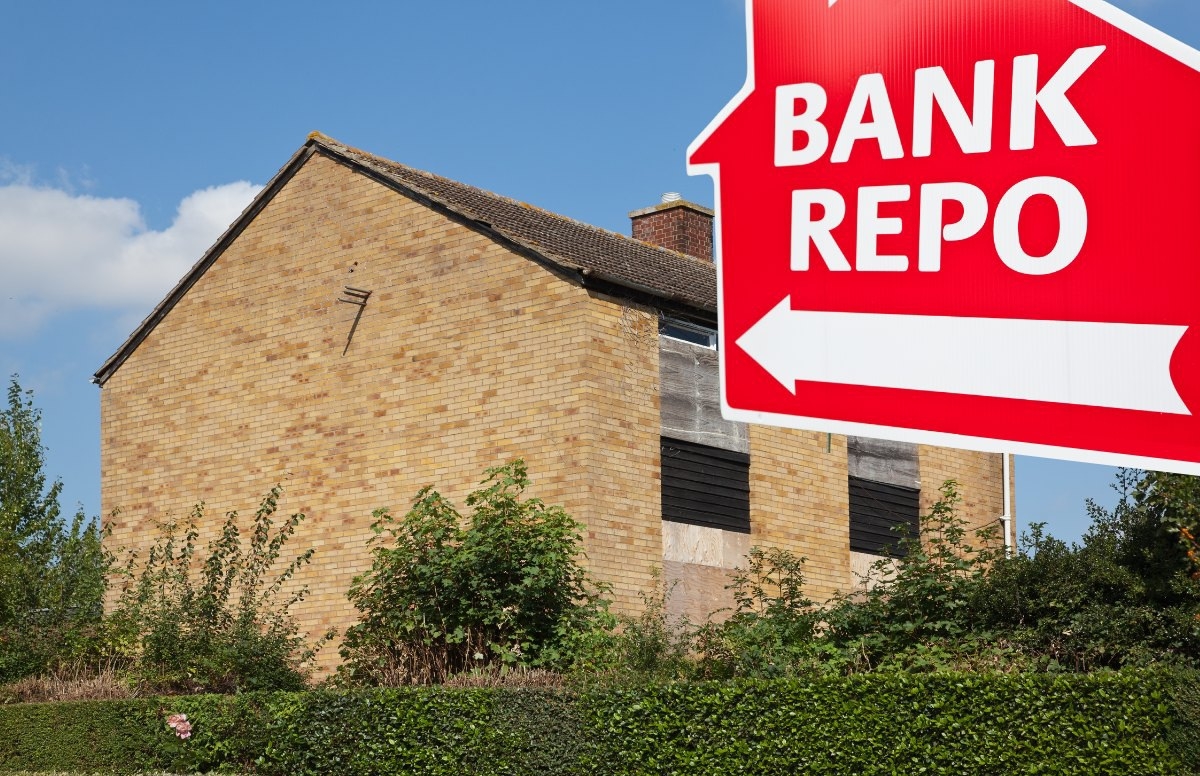
What are the risks of buying property repossessed house in South Africa

Lake Properties                          Lake Properties      
Buying a foreclosed property (also known as a repossessed or distressed property) in South Africa presents unique risks and challenges. Here’s a detailed look at the potential issues:

1. Property Condition

Limited Inspection Opportunities: In South Africa, foreclosed properties are often sold "voetstoots" (as-is), meaning the buyer takes on all faults and defects, visible or hidden.

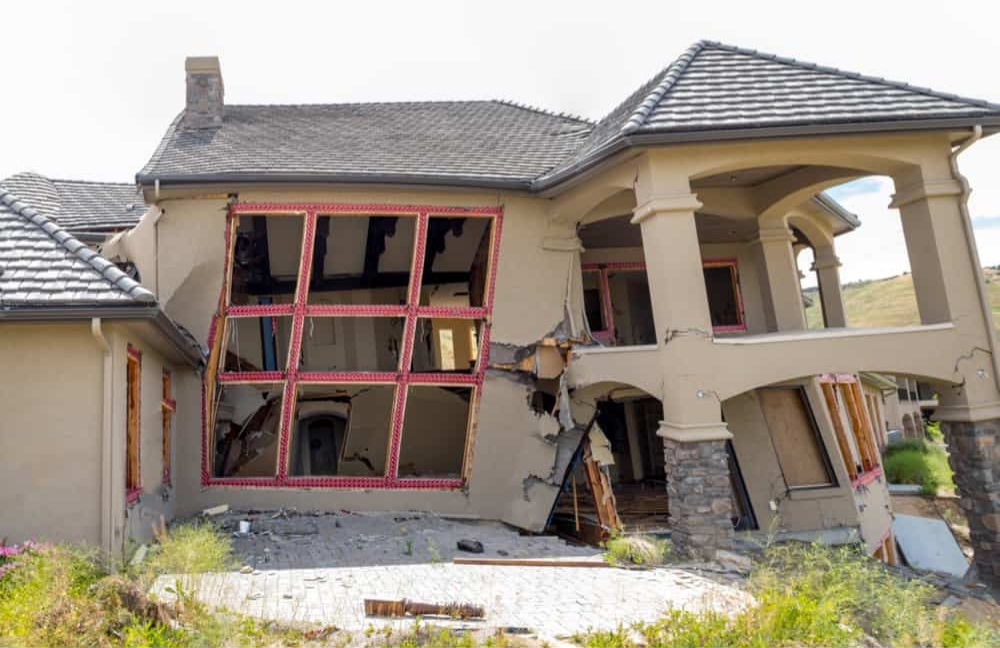
Neglect or Vandalism: Previous owners facing financial difficulties may have neglected maintenance, or the property might have been damaged out of frustration or during vacancy.

2. Outstanding Debts

In South Africa, the buyer may be liable for:

Municipal Rates and Taxes: Unpaid property taxes and utilities (water, electricity) may need to be cleared before transfer. Ensure these debts are checked and settled.

Homeowners' Association (HOA) Fees: If applicable, any arrears in levies must also be paid.

3. Legal Risks

Eviction Challenges: The property might still be occupied by the former owner or tenants, and evicting them can be a lengthy and costly legal process under South African law.

Disputed Ownership: Legal disputes over the sale or the repossession process may arise, delaying or jeopardizing the transfer of ownership.

4. Title Deed Issues

Hidden Liens: There may be undisclosed liens or claims against the property that complicate transfer.

Bond Cancellation Delays: If the previous owner’s bond (mortgage) hasn’t been properly cancelled, it can create complications.

5. Auction Risks

Limited Time to Prepare: Foreclosed properties are often sold at sheriff auctions, where you may have limited time to research or arrange financing.

Cash Payment Requirements: Some auctions require immediate deposits (e.g., 10% of the purchase price) and full payment within a specified period, often limiting financing options.

Inflated Bids: Intense competition among buyers can drive prices higher than the property’s actual value.

6. Market and Location Risks

Foreclosed properties may be located in declining areas, which could affect future resale value.

Economic downturns or unstable local markets might further lower property values.

7. Financing Challenges

Banks may be hesitant to provide financing for foreclosed properties, particularly if the property’s condition is poor.

You might need cash reserves or access to specialized financing.

Mitigating the Risks

1. Do Thorough Due Diligence:

Research the property’s title, outstanding municipal debts, and location.

Obtain a rates clearance certificate to confirm any outstanding municipal payments.

2. Hire Professionals:

Work with a real estate attorney to ensure a clear title and manage the transfer process.

Consult a reputable estate agent experienced in foreclosures.

3. Understand the Auction Process:

Visit auctions to observe before participating.

Confirm deposit requirements, deadlines, and terms of sale.

4. Inspect the Property:

Visit the property if possible, even if only externally, to assess its condition.

5. Prepare Financing:

Arrange pre-approval for a home loan or ensure access to cash reserves for payment and repairs.

By taking these precautions, you can minimize risks and make an informed decision when purchasing a foreclosed property in South Africa.

Lake Properties                            Lake Properties
   

Saturday, 7 December 2024

What is FLISP and how can help first-time home buyers

Lake Properties                         Lake Properties Lake Properties                      Lake Properties

FLISP (Finance Linked Individual Subsidy Programme) is a South African government initiative designed to assist first-time homebuyers with purchasing a property. It is aimed at individuals and households in the "gap market," meaning those who earn too much to qualify for fully subsidized housing but too little to afford a home loan or mortgage on their own.

How FLISP Works

1. Eligibility:

You must be a South African citizen or have permanent residency.

Your household income must be between R3,501 and R22,000 per month.

You must be a first-time homebuyer.

You need to have an approved home loan or mortgage from a recognized financial institution.

2. Subsidy Amount:

The subsidy amount ranges from R27,960 to R121,626, depending on your household income.

Lower-income households receive a higher subsidy.

3. Usage:

The subsidy can be used as a deposit on a home loan, reducing the overall amount you need to borrow.

It can also be applied to pay off a portion of your bond, making monthly payments more affordable.

4. Property Requirements:

The property must be new or existing housing acquired through a legal sale.

It must be registered in the applicant's name and used as a primary residence.

Benefits for First-Time Buyers

Improved Affordability: FLISP reduces the financial burden of purchasing a home, making it more accessible for lower-income earners.

Reduced Loan Amount: By using the subsidy as a deposit, you can reduce your bond repayment term or lower your monthly repayments.

Encourages Home Ownership: It provides an opportunity for people in the gap market to enter the property market and build wealth through home ownership.

Steps to Apply

1. Secure a home loan approval from a financial institution.

2. Identify a property you want to purchase.

3. Apply for the FLISP subsidy through your local Department of Human Settlements or accredited institutions.

4. Submit required documents, including proof of income, home loan approval, and property details.

Tips for First-Time Buyers

Research property options within your budget and in areas with growth potential.

Work with a financial advisor or housing consultant to understand how FLISP fits into your overall financing plan.

Ensure all documentation is complete to avoid delays in your application process.

FLISP can significantly ease the path to home ownership for first-time buyers in South Africa by bridging the financial gap.

Lake Properties                        Lake Properties

Unfavorable bank loan terms,when you apply for a bond. What can you do ?

Lake Properties                        Lake Properties Lake Properties                       Lake Properties

If you encounter unfavorable loan terms when applying for a bond (mortgage), you have several options to improve your situation. Here's what you can do:

1. Negotiate with the Bank

Ask for Better Terms: Request the bank to reconsider the interest rate, repayment period, or other terms. Providing evidence of good creditworthiness or income stability may help.

Present Competing Offers: If you’ve received better offers from other lenders, use them as leverage to negotiate.

2. Shop Around

Compare Lenders: Approach multiple banks or financial institutions to compare terms. Some lenders may offer lower interest rates, reduced fees, or flexible conditions.

Use Mortgage Brokers: Brokers have access to various lenders and can help you find better deals tailored to your situation.

3. Improve Your Financial Profile

Boost Your Credit Score: Pay down debts, avoid late payments, and check your credit report for errors.

Save for a Larger Deposit: A bigger down payment reduces the risk for lenders, often resulting in better terms.

Lower Your Debt-to-Income Ratio: Pay off existing debts to improve your borrowing capacity.

4. Consider Alternative Loan Types

Fixed vs. Variable Rates: Depending on your financial goals, switching to a fixed or variable interest rate could improve terms.

Shorter Loan Terms: Though monthly payments are higher, shorter loan terms often come with lower interest rates overall.

Look into Government Programs: Some governments offer subsidies or guarantees for first-time buyers or specific income groups.

5. Postpone the Application

Wait for Better Market Conditions: If interest rates are currently high, consider waiting for a more favorable economic climate.

Address Financial Issues: Use the delay to save more or resolve credit problems.

6. Seek Expert Advice

Consult Financial Advisors: Professionals can provide insights tailored to your situation.

Engage Legal Help: If you’re unsure about the terms or feel they are exploitative, legal advice can clarify your options.

7. Opt for Co-Borrowing

Partnering with a financially stable co-borrower can help secure better terms, as their income and credit history will also be considered.

8. Revisit the Property Purchase

Consider reducing your loan amount by opting for a less expensive property, which might improve the loan terms.

Carefully review all options to ensure you’re not overextending yourself financially.

How does losing a job affect you during, the process of buying a house


Lake Properties                         Lake Properties

Lake Properties                           Lake Properties

Losing a job during the process of buying a house can significantly impact your ability to secure financing and proceed with the purchase. Here's how it can affect you:

1. Loan Approval and Financing

Income Verification: Lenders typically verify your employment and income at least twice—when you apply for the mortgage and just before closing. Losing your job could cause the lender to deny or delay approval if you no longer meet income requirements.

Debt-to-Income (DTI) Ratio: Without a steady income, your DTI ratio might exceed the acceptable threshold, making it harder to qualify for a loan.

2. Credit Implications

If losing your job leads to missed payments on existing debts (e.g., credit cards or other loans), your credit score might drop, further complicating your ability to secure favorable mortgage terms.

3. Down Payment and Savings

Losing your job might force you to dip into savings intended for a down payment, closing costs, or future home expenses, potentially jeopardizing your ability to proceed with the purchase.

4. Emotional and Mental Stress

The stress of losing a job combined with the complexity of buying a house can strain your decision-making, potentially causing delays or reconsideration of your priorities.

Options if You Lose a Job:

Notify Your Lender: Inform your lender immediately to explore alternative solutions, such as extending the approval timeline or modifying your application (e.g., adding a co-signer).

Pause the Process: If possible, pause the home-buying process until you secure new employment and stabilize your finances.

Explore Temporary Solutions: Consider a temporary job or additional income sources to meet minimum requirements.

Emergency Savings: Use your savings to cover immediate financial obligations, but weigh this carefully to avoid long-term strain.

Proactive Tips:

Have Job Security Before Applying: Ensure your employment is stable before entering the home-buying process.

Build a Financial Cushion: Save enough to cover several months of expenses, including mortgage payments.

Work with Flexible Lenders: Some lenders may work with you to adjust timelines or explore alternative mortgage products.


Losing a job doesn’t necessarily end the process, but it requires careful management to minimize financial risks.


Friday, 6 December 2024

What will happen if the appraisal value lower than purchase price,when buying a house?

Lake Properties         .             Lake Properties    Lake Properties                  Lake Properties  
      
If the appraisal value of a house is lower than the purchase price, it can cause several challenges in the home-buying process, particularly if you're using a mortgage loan. Here's what typically happens:

1. Impact on Loan Amount

Lenders use the appraised value to determine the maximum loan amount they will approve. If the appraisal is lower than the purchase price, the lender may only provide a loan based on the lower value. For example:

Purchase price: $300,000

Appraisal value: $280,000

If your lender offers 80% financing, the loan will be based on $280,000, not $300,000. This means you’ll need to cover the $20,000 difference out of pocket.

2. Options for the Buyer

A s a buyer, you have a few options if the appraisal is lower than the purchase price:

Renegotiate the Price: You can ask the seller to lower the purchase price to match the appraisal value.

Pay the Difference: You can cover the gap between the appraisal value and the purchase price with additional funds.

Challenge the Appraisal: If you believe the appraisal is inaccurate, you can request a reconsideration of value or a second appraisal, though success isn't guaranteed.

Walk Away: If your purchase agreement has an appraisal contingency, you may be able to back out without penalties.

3. Seller’s Options

The seller may agree to lower the price or provide concessions to make the deal more attractive.

Alternatively, the seller could refuse to negotiate, leaving you to decide whether to proceed or back out.

4. Risks Involved

Increased Out-of-Pocket Costs: Paying the difference increases your upfront expenses.

Overpaying for the Property: Proceeding at the original price means paying more than the property’s market value, which can be risky if you sell in the short term.

Loan Approval Issues: If you can't cover the gap or the seller won’t negotiate, the deal might fall through 

How to Prepare:

Include an appraisal contingency in your purchase agreement.

Have extra funds available in case of a low appraisal.

Work with a real estate agent to negotiate effectively.

Would you like advice tailored to your specific situation?


Thursday, 5 December 2024

How can unexpected high insurance costs influence you,when you buy a house


Unexpectedly high insurance costs when buying a house can be due to several factors. Understanding these reasons can help you anticipate and manage potential costs. Here are common causes:

1. Property-Specific Risks

Age and Condition of the Home: Older homes or those in disrepair may have higher insurance premiums due to increased risks of damage.

Location Hazards: Homes in areas prone to natural disasters (flood zones, hurricanes, wildfires, etc.) or high crime rates may require specialized or additional insurance coverage.

High-Value Features: Features like swimming pools, trampolines, or expensive finishes can increase liability risks and coverage costs.

2. Type and Scope of Coverage

Mandatory Coverage Requirements: Lenders often require certain levels of coverage, including flood or earthquake insurance, depending on the area.

Replacement Cost vs. Market Value: Insuring the home for its full replacement cost (rebuilding cost) can be significantly higher than its market value.

3. Buyer’s Personal Factors

Credit History: Poor credit scores can lead to higher premiums, as insurers view this as a potential risk.

Claims History: A history of prior claims, even on other properties, can flag you as a higher-risk customer.

4. Insurance Market Conditions

Inflation: Rising costs of labor and materials for repairs can drive up premiums.

Increased Claims in the Area: A history of frequent claims in your area (e.g., due to natural disasters) can increase premiums.

5. Unanticipated Extras

High Deductibles: Policies with lower deductibles can be more expensive.

Endorsements or Riders: Adding extra coverage for high-value items (jewelry, antiques) or specific risks may increase costs.

How to Mitigate High Insurance Costs

1. Shop Around: Get quotes from multiple insurers to compare rates.

2. Bundle Policies: Combine home and auto insurance with the same provider for discounts.

3. Improve Home Safety: Install security systems, smoke detectors, or storm-resistant features.

4. Raise Deductibles: Opting for a higher deductible can lower premiums, though you'll pay more out-of-pocket for claims.

5. Request Discounts: Ask about discounts for being claim-free, having a good credit score, or being part of certain professional organizations.

If you suspect your insurance costs are unusually high, consult with a local insurance agent to understand regional factors or get a professional home inspection to address any issues.

Unexpected home loan rejection.What now!


Unexpected loan denials when buying a house can be frustrating and stressful. Here are some common reasons for such denials and how you can address or avoid them:

1. Credit Score Changes

Reason: Significant drops in your credit score due to late payments, increased debt, or new credit inquiries after pre-approval.

Solution: Avoid opening new credit accounts or making major purchases on credit until after closing. Monitor your credit score regularly.


2. Insufficient Documentation

Reason: Missing or incomplete paperwork, such as income verification, tax returns, or bank statements.

Solution: Work closely with your lender to ensure all requested documents are provided promptly and accurately.


3. Employment or Income Changes

Reason: A job change, reduction in hours, or loss of income during the loan process.

Solution: Avoid making career changes until after closing unless absolutely necessary, and notify your lender of any changes immediately.


4. Debt-to-Income Ratio (DTI) Issues

Reason: New debts increase your DTI ratio beyond what the lender approves.

Solution: Avoid taking on new debts and pay down existing ones where possible before applying for a loan.


5. Appraisal Issues

Reason: The property appraises for less than the purchase price, making the loan-to-value ratio too high.

Solution: Negotiate a lower purchase price, increase your down payment, or dispute the appraisal with supporting evidence.


6. Unverified Funds

Reason: Large, unexplained deposits in your bank account or inability to prove the source of your down payment funds.

Solution: Ensure all funds are traceable and provide documentation for any large deposits or gifts.


7. Changes in Loan Requirements

Reason: Lender policies or market conditions change during the loan process.

Solution: Work with a reliable lender who communicates potential changes and ensures your loan remains viable.


8. Mistakes in Application

Reason: Errors or discrepancies in your application, such as incorrect income figures or employment details.

Solution: Double-check your application for accuracy before submission.


9. Undisclosed Financial Issues

Reason: Failure to disclose liabilities, pending legal matters, or other financial obligations.

Solution: Be transparent with your lender about your financial situation.


10. Credit Monitoring Alerts

Reason: Lenders often monitor your credit throughout the process; any new negative activity can trigger denial.

Solution: Maintain good financial behavior until the loan is finalized.


How to Prepare and Avoid Surprises:

Get pre-approved, not just pre-qualified.

Maintain stable financial habits during the process.

Communicate regularly with your lender and address concerns proactively.

Have a backup plan, such as a co-signer or alternative financing options, in case issues arise.


If you experience an unexpected denial, ask your lender for detailed reasons, as this can help you correct the issues and reapply successfully.


Wednesday, 4 December 2024

Problems you have when buying a house


Buying a house can be a complex process with various challenges. Here are some common problems people face:

1. Financial Challenges

Affordability: Struggling to find a house within your budget due to high property prices or rising interest rates.

Down Payment: Saving enough for a significant down payment can be difficult.

Mortgage Approval: Issues with credit scores, income verification, or debt-to-income ratio can del,ay or prevent approval.

Costs such as property taxes, and maintenance fees can add up unexpectedly Expenses like closing costs .

2. Finding the Right Property

Location vs. Price: Finding an affordable house in a desirable location can be tough.

Limited Inventory: A competitive market might mean fewer options that meet your needs.

Compromising on Features: You may need to settle for a property that doesn't fully match your wishlist.

3. Competitive Market Issues

Bidding Wars: Competing against other buyers can drive prices up.

Quick Decision Pressure: In hot markets, you may feel rushed to make offers without thorough consideration.

4. Legal and Documentation Problems

Title Issues: Problems with the property's ownership history or liens can delay the process.

Inspection Failures: Discovering major defects during the inspection can complicate negotiations.

Unclear Terms: Misunderstanding contracts or terms of the agreement may lead to disputes.

5. Emotional Stress

Overwhelming Process: The combination of financial, legal, and logistical tasks can be draining.

Fear of Overpaying: Worrying about whether you're getting value for your money.

Uncertainty: Concerns about future property value, neighborhood changes, or unforeseen problems.


6. Post-Purchase Challenges

Unexpected Repairs: Hidden issues with plumbing, electrical systems, or roofing can surface.

Adjustment Period: Adapting to a new community, neighbors, or longer commutes.

Buyer's Remorse: Feeling regret after realizing the property isn’t as ideal as you hoped.


Being informed, financially prepared, and working with trusted professionals like real estate agents and legal advisors can help minimize these challenges.


Adjustment Period after buying a house


The adjustment period after buying a house can be an exciting yet challenging time as you adapt to changes in your community, neighbors, or longer commutes. Here are some tips for navigating these adjustments:

1. Adapting to a New Community

Explore the Area: Spend time walking or driving around to familiarize yourself with local amenities, parks, and services.

Engage Locally: Attend community events, farmers' markets, or social gatherings to meet neighbors and learn about local culture.

Join Groups or Clubs: Seek out groups that align with your hobbies, such as fitness clubs, book groups, or volunteer organizations.

Use Social Media and Apps: Platforms like Nextdoor or Facebook can help you connect with your community and stay updated on local happenings.


2. Building Relationships with Neighbors

Introduce Yourself: A simple “hello” or small gesture like bringing baked goods can help break the ice.

Be Present: Spend time in your front yard or common spaces to increase chances of casual interactions.

Participate in Neighborhood Activities: Get involved in block parties, clean-ups, or homeowner association meetings.

Communicate Clearly: If there are shared boundaries, such as fences or parking spaces, establish open communication to maintain harmony.


3. Adjusting to a Longer Commute

Time Management: Plan your day to account for the extra travel time. Use tools like Google Maps to optimize your route.

Carpool or Public Transit: These can save money, reduce stress, and offer social interaction.

Podcasts or Audiobooks: Make your commute productive or enjoyable by listening to educational or entertaining content.

Flexible Work Options: If possible, negotiate remote work or staggered hours to ease the commute.


4. Embrace the Change

Give Yourself Time: Adjusting to a new environment can take weeks or even months. Be patient with yourself and others.

Focus on the Positives: Highlight the advantages of your new home, whether it’s better space, improved schools, or a safer neighborhood.

Set Realistic Goals: Take small steps daily to adapt—whether it’s unpacking a box, exploring a park, or saying hello to a neighbor.


This adjustment period is an opportunity to grow, build new relationships, and create lasting memories in your new home.


Tuesday, 3 December 2024

What is buyers remorse. How do you deal with it, when buying a house


Buyer’s remorse is the feeling of regret or anxiety after making a significant purchase. When buying a house, this emotion can be particularly intense due to the financial commitment, the permanence of the decision, and the expectations tied to homeownership.

Why Buyer’s Remorse Happens When Buying a House

1. Financial Stress: Concerns about the affordability of the mortgage or additional costs.

2. Comparison: Second-guessing whether a better property could have been purchased.

3. Unrealistic Expectations: Discovering flaws in the home that didn’t surface during the buying process.

4. Fear of Commitment: Feeling overwhelmed by the long-term nature of owning a home.

5. Sudden Lifestyle Changes: Adjusting to a new neighborhood, commute, or routine.

How to Deal with Buyer’s Remorse

1. Revisit Your Reasons for Buying:

Reflect on why you chose the house. Recalling its benefits (location, size, potential, etc.) can help shift your focus from doubts to positives.

2. Give Yourself Time:

Adjusting to a new home takes time. Allow yourself to settle in before making any judgments.

3. Make It Your Own:

Personalize the space with decor, renovations, or small improvements to help it feel more like home.

4. Educate Yourself on Long-Term Value:

A house is often a long-term investment. Understanding how it might appreciate over time can provide reassurance.

5. Focus on the Big Picture:

Remember that no house is perfect. Minor imperfections or initial discomforts don’t outweigh the benefits of stability and building equity.

6. Talk to a Trusted Advisor:

Share your concerns with a real estate agent, financial advisor, or even a supportive friend or family member to gain perspective.

7. Address Specific Issues:

If the remorse is due to something tangible (like a needed repair), take steps to resolve it rather than letting the feeling linger.

8. Practice Gratitude:

Recognize that owning a home is a significant milestone and an opportunity many aspire to achieve.

If the remorse feels overwhelming, consider seeking professional guidance from a counselor or financial expert to explore your feelings and financial situation more thoroughly.

What to do you discover major defects


Discovering major defects during a property inspection can indeed complicate negotiations in a real estate transaction. Here's how and why:

1. Impact on Price Negotiations: Significant defects, such as foundation issues, roof damage, or plumbing problems, often lead buyers to request a price reduction to cover repair costs or ask the seller to address the issues before closing.

2. Renegotiation of Terms: If defects are substantial, the buyer may propose adjustments to the purchase agreement, such as extending contingencies, asking for credits at closing, or even withdrawing their offer altogether.

3. Increased Buyer Hesitation: Major defects can erode a buyer's confidence in the property, leading them to question whether other hidden issues might exist. This could make them more cautious or even reconsider their decision to proceed.

4. Seller's Options: For sellers, deciding how to respond can be tricky. They may need to:

Agree to repairs or price reductions.

Decline and risk losing the buyer.

Offer compromises like sharing repair costs.

5. Market Dynamics: In a competitive market, sellers might not feel as pressured to accommodate requests. However, in a buyer's market, major defects could make the property harder to sell without significant concessions.

6. Delays in Closing: Addressing defects often requires additional inspections, contractor estimates, or repair work, potentially delaying the transaction timeline.

To mitigate complications, it's essential to approach the negotiation with transparency, documentation, and a willingness to find mutually beneficial solutions.


Fear of overpaying for a house


Lake Properties 
The fear of overpaying, especially when purchasing something as significant as a house, is a common concern for many buyers. It stems from the desire to ensure that you're making a sound financial decision and not spending more than what a property is worth. Here's how you can manage and address this worry:

Why This Fear Arises

1. Market Uncertainty: Housing markets fluctuate, and it can be hard to determine the "right" price in a dynamic market.


2. High Stakes: A home is often the most significant purchase you'll make, and the financial commitment can feel daunting.

3. Limited Knowledge: If you're not well-versed in real estate or property valuation, it can be challenging to judge a fair price.

4. Pressure: Competing offers or pushy sellers can make you feel rushed, increasing doubts about overpaying.

Steps to Ensure You're Getting Value

1. Do Your Research:

Look at comparable properties (comps) in the same area to understand the market rate.

Research trends in property values over the past few years.

2. Get a Professional Appraisal:

Hire an independent appraiser to assess the property's true market value.

Most mortgage lenders require this, but you can also do it for your own peace of mind.


3. Work with a Trusted Real Estate Agent:

An experienced agent can provide insights into the local market and help you negotiate a fair price.

4. Understand the Total Cost:

Factor in additional costs like taxes, maintenance, and potential renovations to gauge the property's actual value.

5. Set a Budget and Stick to It:

Define a maximum price you're willing to pay based on your finances and the property's worth

6. Negotiate:

Don’t hesitate to counteroffer if you believe the asking price is too high, using data to support your case.

7. Take Your Time:

Avoid making impulsive decisions. If a deal feels rushed or too good to be true, step back and reassess

Reframing the Fear

Think Long-Term: Over time, property values generally appreciate, making minor overpayments less impactful in the grand scheme.

Focus on Fit: Consider how well the property meets your needs rather than fixating solely on price.

Peace of Mind: Remember that taking these precautions reduces the risk of overpaying, which should alleviate some of your anxiety.


By approaching the process with preparation and knowledge, you can reduce the fear of overpaying and feel confident about your investment.

Monday, 2 December 2024

Compromising on Features: You may need to settle for a property that doesn't fully match your wishlist


When purchasing or renting a property, it’s common to face the reality that not every option will perfectly align with your wishlist. Compromising on certain features can be a strategic decision to secure a home that fits your most critical needs while staying within your budget or preferred location.

Tips for Compromising on Features:

1. Prioritize Your Must-Haves: Identify non-negotiable aspects such as location, number of bedrooms, or proximity to schools or work. Focus on properties that meet these essentials first.


2. Be Flexible with Nice-to-Haves: Features like a spacious backyard, modern finishes, or extra storage might enhance your living experience but may not be deal-breakers. Consider adding these later through renovations or upgrades.


3. Evaluate the Trade-Offs: Sometimes, a home with fewer amenities in a prime location can be more valuable than a feature-rich property in a less desirable area.


4. Think Long-Term: If a property has good potential for future improvements or fits your lifestyle as it evolves, it might be worth the compromise.


5. Consult Your Budget: Ensure that the sacrifices made on features align with a financially sound decision. Stretching beyond your means for perfection can lead to stress.


6. Consider the Market: In competitive real estate markets, flexibility is often necessary to secure a property before it’s off the market.


Ultimately, no property is perfect, but a thoughtful balance between compromises and your priorities can help you find a home that feels just right.


Sunday, 1 December 2024

Misunderstanding contracts or terms of the agreement may lead to disputes


Yes, misunderstandings of contracts or terms of an agreement can often lead to disputes. This typically occurs when:

1. Ambiguous Language: Poorly defined or vague terms can result in different interpretations.

2. Lack of Clarity: The parties may not fully understand their rights, obligations, or the scope of the agreement.

3. Failure to Read or Review: Sometimes, one or both parties do not thoroughly read or comprehend the contract.

4. Verbal Agreements: Relying on informal or verbal agreements instead of formalizing terms in writing.

5. Unfamiliarity with Legal Jargon: Complex legal language might confuse non-experts.

6. Unrealistic Expectations: One party might assume terms that were never explicitly agreed upon.

To avoid disputes, it’s essential to:

Use clear, precise language in contracts.

Seek legal advice when drafting or signing agreements.

Ensure both parties review and fully understand the terms.

Document all agreements formally.


Would you like advice on handling a specific contract-related issue?


Finding an affordable house in a desirable location


Finding the perfect balance between location and price is one of the most challenging aspects of house hunting. Here are some strategies to help navigate this dilemma:

1. Prioritize Needs vs. Wants

Make a list of must-haves (e.g., commute time, school districts, proximity to work) and nice-to-haves (e.g., style of home, extra space). This helps clarify where you can compromise.


2. Expand Your Search Radius

Look at neighborhoods near your desired location. Often, areas just outside prime spots offer better deals while still providing reasonable access to your priorities.


3. Evaluate Up-and-Coming Areas

Research neighborhoods that are on the rise. These areas often offer lower prices but have potential for growth and increased property value.


4. Consider Fixer-Uppers

Homes that need minor renovations or cosmetic updates can be more affordable. If you're willing to invest time and effort, you can turn these into your dream home.


5. Leverage Technology

Use apps and websites to compare housing prices, research trends, and identify deals in desirable areas. Some tools allow you to set alerts for homes in your price range.


6. Get Pre-Approved for a Mortgage

Knowing your budget upfront ensures you’re looking in the right price range and gives you an advantage when it’s time to make an offer.


7. Negotiate Wisely

Even in desirable locations, there’s often room to negotiate on price, especially if a house has been on the market for a while.


Would you like tailored advice based on your current location or specific needs?

Saturday, 30 November 2024

How can you improve my credit score, so you can secure a bond


Improving your credit score to secure a bond typically requires consistent effort over time. Here are key steps to boost your credit score:

1. Pay Bills on Time

Payment history is the most significant factor in credit scoring. Late payments can significantly lower your score.

Set up automatic payments or reminders to ensure all bills (credit cards, loans, utilities, etc.) are paid on or before their due dates.

2. Reduce Credit Utilization

Keep your credit card balances low relative to your credit limits.

Aim to use less than 30% of your available credit limit; under 10% is even better.

If possible, pay off credit card balances in full each month.

3. Avoid Opening or Closing Too Many Accounts

New credit inquiries can temporarily lower your score. Apply for credit only when necessary.

Closing accounts can reduce your available credit and negatively impact your credit utilization ratio.

4. Check Your Credit Report for Errors

Obtain your credit report from credit bureaus and check for inaccuracies.

Dispute any incorrect information, such as accounts you don’t recognize or errors in reported payments.

5. Diversify Your Credit Mix

Having a mix of credit types (e.g., credit cards, installment loans, mortgages) can boost your score, but don’t open new accounts just for this reason.

6. Build a Credit History

If you’re new to credit, consider using a secured credit card or becoming an authorized user on someone else’s account to establish a history.

7. Keep Old Accounts Open

The length of your credit history contributes to your score. If you have old accounts in good standing, keep them open.

8. Pay Off Debt Strategically

Focus on paying down high-interest debt first.

Consider the debt snowball (smallest balance first) or debt avalanche (highest interest rate first) method.

9. Limit Hard Inquiries

Each hard inquiry (e.g., when applying for loans or credit) can slightly lower your score. Plan applications wisely.

10. Work with a Professional if Needed

If your score is very low, consult a credit counselor or financial advisor to create a tailored plan.

Improving your credit score takes time, so start these steps as soon as possible. With a strong credit score, lenders are more likely to approve your bond application with favorable terms.

Quick Decision Pressure: In hot markets, you may feel rushed to make offers without thorough consideration.


In hot markets, the pressure to act quickly can be intense due to high competition and rapidly changing conditions. This "quick decision pressure" may push buyers or investors to make offers hastily, sometimes without conducting sufficient due diligence or fully evaluating the risks.

To navigate this effectively:

Set clear priorities: Define your budget, non-negotiables, and goals ahead of time.

Be prepared: Have financing, paperwork, and necessary approvals ready in advance.

Rely on experts: Work with trusted agents, advisors, or legal professionals to help you assess opportunities swiftly.

Stay disciplined: Resist the urge to compromise on critical criteria due to time pressure.

Know when to walk away: If the deal feels too rushed to assess properly, it might not be worth the risk.


Acting decisively is important, but balance it with informed decision-making to avoid costly mistakes.

Friday, 29 November 2024

What are the taxes you have pay when buying a house in South Africa


When buying a house in South Africa, you may need to pay several taxes and fees, depending on the value of the property and whether you are financing the purchase with a bond. Below is a breakdown of common taxes and fees:

1. Transfer Duty

Definition: A tax levied by the government when a property is transferred from one person to another.

Exemptions:

No transfer duty is payable on properties valued at R1 million or less.


Rates for Properties Above R1 Million (as of 2024):

R1,000,001 - R1,375,000: 3% on the value above R1,000,000

R1,375,001 - R1,925,000: R11,250 + 6% on the value above R1,375,000

R1,925,001 - R2,475,000: R44,250 + 8% on the value above R1,925,000

R2,475,001 - R11,000,000: R88,250 + 11% on the value above R2,475,000

Above R11,000,000: R1,026,000 + 13% on the value above R11,000,000

2. VAT (Value-Added Tax)

When Applicable: If you are buying from a property developer and the developer is registered for VAT, VAT (15%) may be included in the purchase price.

Exemption: If VAT applies, transfer duty is not charged.

3. Bond Registration Costs (if financing the purchase)

Payable to register a bond (mortgage) over the property.

Includes fees charged by the bond attorney (based on the bond amount) and the Deeds Office fee.

4. Deeds Office Registration Fee

Paid to register the property in your name at the Deeds Office.

Fee depends on the value of the property and is determined by the Deeds Office tariff.

5. Conveyancing Fees

Paid to the conveyancing attorney responsible for transferring the property into your name.

Fee varies based on the property price and is set according to recommended guidelines by the Legal Practice Council.


6. Rates Clearance Certificate Fee

Local municipalities require a clearance certificate to confirm all municipal rates and taxes are paid up to date.


7. Additional Costs to Consider

Homeowners’ Insurance: Required by lenders for bonded properties.

Levy Clearance Certificate: For properties in sectional title schemes or estates.

Occupational Rent: If you take possession of the property before the transfer is finalized.


It's advisable to consult with a conveyancing attorney to get an accurate estimate of all costs and taxes for your specific purchase.


District Six, Cape Town: A Community Destroyed — and the Space It Left Behind

Lake Properties                      Lake Properties Lake Properties                     Lake Properties   District Six is not just a place ...

Lake Properties,CapeTown