Welcome to Lake Properties PROPERTY CAPE TOWN Lake Properties is a young and dynamic real estate ag

My photo
Cape Town, Western Cape, South Africa
Lake Properties, Cape Town is a young and dynamic real estate agency located in Wynberg, Cape Town. We offer efficient and reliable service in the buying and selling of residential and commercial properties and vacant land in the Southern Suburbs including Bergvliet,Athlone,Claremont,Constantia,Diepriver,Heathfield,Kenilworth,Kenwyn,Kreupelbosch, Meadowridge,Mowbray,Newlands,Obervatory,Pinelands,Plumstead,Rondebosch, Rosebank, Tokia,Rondebosch East, Penlyn Estate, Lansdowne, Wynberg, Grassy Park, Steenberg, Retreat and surrounding areas . We also manage rental properties and secure suitably qualified tenants for property owners. Another growing extension to our portfolio of services is to find qualified buyers for business owners who want to sell businesses especially cafes, supermarkets and service stations. At Lake Properties we value our relationships with clients and aim to provide excellent service with integrity and professionalism, always acting in the best interest of both buyer and seller. Our rates are competitive without compromising quality and service. For our clients we do valuations at no charge

Friday, 29 November 2024

Why having a deposit is an advantage when buying a house


Having a deposit when buying a house provides several advantages, both financially and in terms of the buying process:

1. Lower Loan Amount: A deposit reduces the amount you need to borrow, which can lower monthly repayments and save you money on interest over the life of the loan.


2. Better Interest Rates: Lenders often offer better interest rates to buyers with larger deposits, as they are considered lower-risk borrowers.


3. Increased Buying Power: With a deposit, you might qualify for a higher loan amount, allowing you to consider properties in a higher price range.


4. Avoiding or Reducing Mortgage Insurance: In many countries, such as the UK or Australia, a larger deposit (e.g., 20% or more) can help you avoid paying Lender’s Mortgage Insurance (LMI) or similar fees.


5. Stronger Offer to Sellers: A deposit shows sellers that you are financially prepared and serious about purchasing, making your offer more appealing in competitive markets.


6. Building Equity Immediately: A deposit gives you an initial stake in the property, starting your journey toward building equity right away.


7. Buffer Against Market Fluctuations: A larger deposit reduces the risk of falling into negative equity (owing more than the property is worth) if property prices decline.


8. Fewer Financial Strains: A larger deposit provides greater financial stability and flexibility for other expenses or emergencies after the purchase.


In short, having a deposit not only improves your chances of securing a mortgage but also ensures better financial health and flexibility as a homeowner.

Affordability: Struggling to find a house within your budget due to high property prices or rising interest rates.


Affordability issues in the housing market are a significant challenge, especially when high property prices and rising interest rates put homeownership out of reach for many. Here are some tips to address this:

1. Explore Government Assistance Programs: Look for first-time buyer schemes, grants, or low-interest loans that might be available in your area.


2. Consider Expanding Your Search Area: Houses in less central or urban locations may be more affordable, even if it means a longer commute.


3. Look into Alternative Financing: Shared ownership, co-buying with friends or family, or rent-to-own programs can make homeownership more accessible.


4. Save Aggressively: Reassess your budget to focus on saving for a larger down payment, which can reduce your borrowing needs.


5. Adjust Expectations: While it's tempting to aim for your dream home, starting with a smaller or fixer-upper property can help you enter the market and build equity over time.


6. Wait for Market Changes: If prices and interest rates are exceptionally high, waiting for a better market environment may save you money in the long run.


Would you like detailed advice tailored to your location or situation?


Wednesday, 27 November 2024

Will the house accommodate a growing family


Whether a house can accommodate a growing family depends on several factors. Here are some key considerations to evaluate:

Space

1. Number of Bedrooms: Does the house have enough bedrooms for future children, guests, or other needs?

2. Bathrooms: Are there enough bathrooms to handle a larger household?

3. Living Areas: Is the living room, dining room, and kitchen spacious enough for family gatherings and daily activities?

Layout and Functionality

1. Flexibility: Does the layout allow for converting spaces (e.g., a study or guest room into a nursery)?

2. Storage: Is there ample storage for the belongings of a growing family?

Outdoor Space

1. Yard: Is there enough outdoor space for children to play or for future additions like a garden or patio?

2. Proximity to Parks: If the yard is small, are there parks or recreational areas nearby?

Neighborhood and Location

1. Schools: Are there good schools in the area?


2. Safety: Is the neighborhood safe for children?


3. Community: Does the area have family-friendly amenities like playgrounds, libraries, or childcare centers?

Future Expansion

1. Potential for Renovations: Is there room to expand the house, like adding a bedroom or bathroom?

2. Property Size: Is the lot large enough to build an extension if needed?

If you'd like, I can help assess these aspects based on your current or prospective home. Let me know!


Are there penalties for paying off the mortgage early in South Africa


In South Africa, paying off a mortgage early can incur penalties, but the specifics depend on the terms of your home loan agreement. Here's what you should know about prepayment penalties in South Africa:

Why Penalties Exist

Banks in South Africa charge early settlement penalties to recover potential interest income lost when a loan is paid off before the end of its term.

Common Penalty Scenarios

1. Full Settlement Before Term Ends:

If you pay off your bond in full before the agreed term, you may be charged a penalty.


2. Notice Period for Settlement:

South African banks typically require 90 days' written notice before early settlement.

If you fail to provide this notice, you may be charged an additional penalty equivalent to up to three months' interest.

3. Extra Lump Sum Payments:

Generally, paying lump sums toward your bond is allowed without penalties, but the specifics depend on the terms of your loan. Some loans may have conditions for overpayments.

Penalty Calculation

Early settlement penalties are often calculated as:

Up to three months' interest on the outstanding balance of your loan.


This calculation may vary based on the bank and the type of loan agreement.


---

How to Avoid or Minimize Penalties

1. Provide Notice: Notify your bank in advance (90 days) if you plan to settle your bond early.


2. Check Your Contract: Review your home loan agreement for any clauses related to prepayment penalties or settlement terms.


3. Negotiate: Some lenders may waive or reduce penalties, especially if you're refinancing with the same bank.


4. Split Payments: Instead of a lump sum, make additional payments over time to reduce your balance without triggering penalties.

Additional Considerations

Prepayment penalties are more common with fixed-rate home loans than with variable-rate loans in South Africa.

It's essential to confirm with your lender how any penalties are applied and whether they can be avoided.


Would you like guidance on reviewing your loan terms or drafting a settlement notice?

What type of mortgage should I get (fixed or adjustable)?


The decision to choose between a fixed-rate mortgage and an adjustable-rate mortgage (ARM) depends on your financial situation, future plans, and risk tolerance. Here's a breakdown to help you decide:

Fixed-Rate Mortgage

Best For:

Long-term stability: If you plan to stay in your home for many years.

Budgeting: You want predictable monthly payments over the life of the loan.

Low-risk tolerance: You don’t want to worry about potential rate increases.

Pros:

Interest rate stays the same for the loan term (e.g., 15, 20, or 30 years).

Consistency helps with financial planning.

Protects you if interest rates rise in the future.

Cons:

Typically has higher initial interest rates compared to ARMs.

Less advantageous if you plan to move or refinance within a few years.

Adjustable-Rate Mortgage (ARM)

Best For:

Short-term plans: If you expect to sell or refinance before the rate adjusts.

Lower initial costs: You want lower payments during the initial fixed period.

Comfort with risk: You’re okay with the possibility of rate increases.

Pros:

Lower initial interest rates than fixed-rate mortgages.

Fixed period (e.g., 5, 7, or 10 years) before the rate becomes adjustable.

Potential savings if interest rates remain stable or decrease.

Cons:

Payments can increase significantly after the fixed period ends.

Harder to budget long-term.

Risk of higher costs if interest rates rise.

Questions to Consider

1. How long do you plan to stay in the home?

If less than 5–10 years, an ARM might save you money.

If longer, a fixed-rate mortgage offers more stability.

2. What are interest rates doing?

If rates are low, locking in a fixed rate might be wise.

If rates are high, an ARM could offer short-term relief.

3. Can you handle payment fluctuations?

If not, a fixed-rate mortgage is safer.

4. Will your income likely increase?

If yes, an ARM’s potential future increase might be manageable.

Let me know if you'd like help calculating specific costs or scenarios for either option!


Tuesday, 26 November 2024

What if I make additional payments toward the bond,how will it effect my bond payments

 
Making additional payments toward your bond (home loan) can have several positive effects, depending on your financial goals. Here’s how it could impact you:

1. Reduce Interest Paid

By paying extra, you reduce the principal balance faster, which means the interest charged on the remaining balance decreases. Over the life of the loan, this can save you a significant amount of money.


2. Shorten the Loan Term

Extra payments can help you pay off the bond sooner than scheduled. For example, a 20-year bond could be paid off in 15 years, freeing you from debt earlier.


3. Improve Financial Flexibility

Paying down your bond faster can increase your home equity, which may allow you to refinance for better terms in the future or access a line of credit if needed.


4. Provide Peace of Mind

The faster you pay off your bond, the sooner you eliminate the risk of losing your home in case of financial difficulties.

Things to Consider:

Prepayment Penalties: Some bonds have penalties for making extra payments. Check your loan agreement to ensure you're not penalized.

Emergency Fund: Ensure you still have sufficient savings for emergencies before directing extra funds to your bond.

Other Debt: If you have higher-interest debt (e.g., credit cards), it may make more sense to prioritize paying that off first.

Investment Opportunity: Compare the interest savings from extra bond payments to the potential returns from investments.


Would you like help calculating how much time or money you'd save with additional payments?


Monday, 25 November 2024

Does the house have a clean title?,when buying a house

When buying a house, ensuring it has a clean title is crucial. A clean title means the property is free of any liens, disputes, legal claims, or encumbrances that could affect your ownership rights. Here's how you can confirm this:

1. Title Search:
Engage a title company or a real estate attorney to conduct a thorough title search. This process involves reviewing public records to uncover any potential issues, such as unpaid taxes, liens, or ownership disputes.


2. Title Insurance:
Purchase title insurance to protect yourself from unforeseen title issues that may arise after the sale. The insurance covers legal expenses or financial losses due to hidden defects.


3. Review the Report:
Once the title search is complete, review the report carefully. Ensure all liens or claims have been resolved before proceeding with the purchase.


4. Work with Professionals:
Rely on your real estate agent, attorney, or title company to guide you through the process and address any red flags.


Taking these steps ensures that the property is legally clear for purchase and that you’ll have undisputed ownership rights.

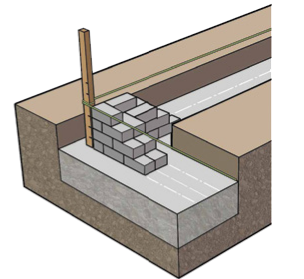
What kind of foundation does the house have


When buying a house, the type and condition of the foundation are critical considerations because they affect the home's stability, longevity, and potential repair costs. Here are the main types of foundations and what to consider for each:

Types of Foundations

1. Slab Foundation

What It Is: A flat concrete slab poured directly on the ground.

Pros: Low cost, minimal maintenance, resistant to pests like termites.

Cons: Limited access to plumbing or electrical systems beneath, potential for cracking in poor soil conditions.

What to Inspect: Look for cracks, settling, or signs of water intrusion.


2. Crawl Space Foundation

What It Is: A raised foundation with a small space (1-3 feet) between the ground and the home.

Pros: Easy access to plumbing and electrical, better ventilation, less risk of flooding.

Cons: Prone to moisture problems and pests if not well-maintained.

What to Inspect: Ensure adequate ventilation, check for mold, rot, or pest damage.


3. Basement Foundation

What It Is: A deeper foundation that provides a livable or storage space below the main level of the house.

Pros: Extra living/storage space, can increase home value.

Cons: Expensive to build, prone to water intrusion and mold if not properly waterproofed.

What to Inspect: Look for cracks, leaks, mold, and signs of water damage.


4. Pier and Beam Foundation

What It Is: Concrete piers or wooden posts supporting beams beneath the house.

Pros: Elevates the house, good for areas prone to flooding, easy access to utilities.

Cons: Can shift over time, vulnerable to pest infestation and rot.

What to Inspect: Check for shifting, settling, rot, and pest damage.


General Considerations

Soil Type and Stability: Ensure the foundation is suitable for the soil type in the area (e.g., clay soils can cause shifting).

Drainage: Verify that the property has proper grading to direct water away from the foundation.

Foundation Age: Older foundations may require more maintenance or repairs.

Professional Inspection: Always have the foundation inspected by a licensed professional to identify hidden issues.


A solid, well-maintained foundation is essential for a safe and long-lasting home. If there are concerns, factor potential repair costs into your purchase decision.

Sunday, 24 November 2024

Is there evidence of water damage when considering buying a house


Yes, there are several signs of potential water damage you can look for when considering buying a house. Identifying these signs early can save you from costly repairs later. Here are some key things to check:

Exterior Signs

1. Foundation Cracks: Look for cracks or signs of water pooling near the foundation, which could indicate drainage issues.


2. Gutters and Downspouts: Check if gutters are clogged or if downspouts direct water away from the house. Overflowing gutters can lead to water damage.


3. Roof Condition: Inspect for missing shingles, sagging, or moss growth, which could indicate water leaks.


4. Grading: Ensure the ground slopes away from the house to prevent water from seeping into the foundation.


Interior Signs

1. Ceiling Stains: Brown or yellow stains on ceilings could indicate past or ongoing roof leaks.


2. Wall Discoloration: Look for peeling paint, bubbling, or discoloration, which may suggest water intrusion.


3. Warped Floors: Warping, buckling, or sagging floors can be a sign of water damage underneath.


4. Musty Odors: A persistent damp or musty smell may indicate hidden water damage or mold.


Basement and Crawlspace

1. Damp Walls or Floors: Check for water stains or a damp feeling in basements and crawlspaces.


2. Mold or Mildew: Look for visible mold, particularly in corners or areas near water sources.


3. Sump Pump: If there is a sump pump, ensure it’s functional, as it’s a key defense against basement flooding.


Plumbing

1. Leaks: Inspect under sinks, around toilets, and near appliances for signs of active or past leaks.


2. Water Stains: Look under cabinets and around pipes for watermarks.


3. Water Pressure Issues: Weak water pressure could indicate plumbing problems.


Windows and Doors

1. Condensation: Excess moisture on windows could indicate poor ventilation or leaks.


2. Rotting Frames: Wooden window or door frames may show signs of rot if exposed to water.


What to Do if You Suspect Water Damage

Hire a Home Inspector: A professional inspection can uncover hidden water damage and assess the extent of any issues.

Request Repairs: If damage is found, you can negotiate with the seller to have repairs completed or reduce the price of the home.

Consult Specialists: For severe damage, consider consulting a structural engineer, mold remediation expert, or plumber.


Taking the time to investigate these signs thoroughly can help you make an informed decision about your purchase.


Saturday, 23 November 2024

Is the roof in good condition when buying a house


The condition of the roof is one of the most important aspects to check when buying a house. A well-maintained roof can save you thousands of dollars in repairs and ensure the home is properly protected from the elements. Here's how to evaluate the roof's condition:

1. Visual Inspection

From the Ground: Look for missing, curling, or damaged shingles. Check for sagging areas, which could indicate structural issues.

Inside the House: Inspect ceilings for water stains, mold, or signs of leaks.

In the Attic: Look for daylight coming through the roof, water stains, or wet insulation.


2. Age of the Roof

Ask the seller or review the home inspection report to find out the roof's age. Most roofs last:

Asphalt shingles: 20–30 years

Metal roofs: 40–70 years

Tile roofs: 50+ years

Flat roofs (with coatings): 10–20 years


3. Material and Quality

High-quality materials typically last longer and require less maintenance. For example, architectural shingles are more durable than 3-tab shingles.


4. Check for Proper Ventilation

Proper ventilation prevents moisture buildup in the attic, which can cause mold and shorten the roof's lifespan.


5. Look for Signs of Repairs or Poor Maintenance

Patchy areas or mismatched shingles may indicate prior repairs.

Overgrown moss or debris can cause damage over time.


6. Hire a Professional Inspector

A certified roof inspector or home inspector can provide a detailed report about the roof's condition, including underlying issues that may not be obvious to the untrained eye.


7. Negotiate or Budget for Repairs

If the roof needs repairs or replacement, use the inspection report to negotiate with the seller or plan your budget accordingly.


If you’re uncertain about the roof’s condition, it’s worth investing in a professional inspection before finalizing the purchase.

When was the house last renovated when considering buying a house


When considering buying a house, finding out when it was last renovated is crucial for evaluating its condition and potential maintenance costs. Here are ways to determine this:

1. Ask the Seller or Agent
Directly inquire with the seller or real estate agent. They often have records of renovations or upgrades.


2. Review Property Disclosures
In many areas, sellers are required to provide a property disclosure statement, which typically includes information about major renovations.


3. Inspect Building Permits
Check with the local municipality for building permits. Major renovations often require permits, which include dates and details of the work.

 X
4. Home Inspection
A professional home inspector can identify recent renovations or updates based on the materials
 and condition of the home.


5. Check Visible Clues
Look for signs of renovation, such as updated kitchens, bathrooms, new flooring, or fresh paint. However, cosmetic updates don’t necessarily indicate structural or system improvements.


6. Ask Neighbors
Sometimes neighbors may have observed major renovations or can provide insights into the property's history.


Knowing the renovation history helps you assess whether major systems (like plumbing, electrical, or HVAC) are nearing the end of their lifespan or need immediate updates.

Is there adequate parking space when buying a house


Adequate parking space is a crucial consideration when buying a house. Here are some factors to assess:

1. Number of Vehicles: Ensure the property can accommodate all the vehicles owned by the household, including potential future additions.


2. Type of Parking: Check if the parking is a garage, carport, driveway, or on-street. Garages and driveways offer better security and convenience.


3. Ease of Access: Assess whether parking is easily accessible. Tight spaces or difficult driveways can be inconvenient over time.


4. Neighborhood Rules: Verify if there are parking restrictions, such as limits on the number of vehicles or overnight street parking.


5. Visitor Parking: Consider the availability of additional parking spaces for guests, especially if you frequently entertain.


6. Future Needs: If you're planning to install electric vehicle chargers or need space for larger vehicles, evaluate the feasibility of modifications.


7. Resale Value: Adequate parking can enhance a home's appeal to future buyers and increase its value.


Parking suitability depends on your lifestyle and priorities, so carefully assess this feature when viewing potential properties.


Friday, 22 November 2024

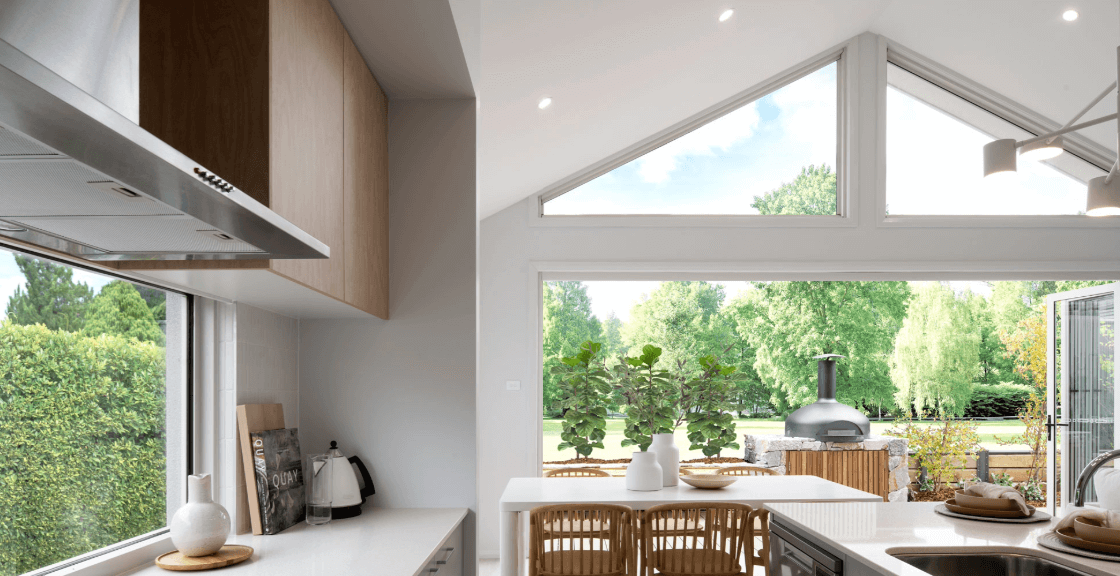
How is the natural lighting in the house for you when buying a house


Natural lighting is an important factor to consider when buying a house, as it can significantly affect the home's ambiance, energy efficiency, and overall livability. Here's what to evaluate:

1. Orientation of the House:

Homes with large windows facing south (in the Northern Hemisphere) or north (in the Southern Hemisphere) usually get consistent natural light throughout the day.

East-facing windows bring in morning sunlight, while west-facing ones receive afternoon light.


2. Window Placement and Size:

Larger windows and well-placed openings maximize daylight. Look for features like floor-to-ceiling windows or skylights.

Avoid homes with too few or small windows, as they can feel dim and enclosed.


3. Room Brightness:

Check how well-lit key spaces are, like the living room, kitchen, and bedrooms, at different times of the day.

Rooms with access to multiple light sources (e.g., windows on two walls) feel brighter and more spacious.


4. Obstructions:

Be mindful of trees, neighboring buildings, or fences that block sunlight.

North-facing homes (in the Northern Hemisphere) may feel darker if shadowed by large structures.


5. Energy Efficiency:

Good natural lighting can reduce the need for artificial lighting, lowering energy bills.

However, excessive direct sunlight might increase cooling costs, so consider window treatments or UV-blocking glass.


6. Mood and Health:

Natural light boosts mood and well-being, making spaces feel more inviting. Dimly lit homes might feel gloomy over time.


When visiting potential homes, try to see them during the daytime to gauge how natural light flows through the space.


Thursday, 21 November 2024

.Could the house be resold easily if I need to move?


The ease of reselling a house depends on several factors. Here’s what to consider:

1. Location: Homes in desirable neighborhoods or with access to good schools, amenities, and transportation tend to sell faster.


2. Market Conditions: A strong seller's market makes it easier to resell, while a buyer's market can slow down the process.


3. Condition of the Property: A well-maintained house with modern updates often appeals to more buyers.


4. Price: Setting a competitive price based on comparable sales in the area can make your home more attractive.


5. Local Demand: High demand for homes in your area generally improves resale prospects.


6. Unique Features: Homes with unique, hard-to-find features may attract buyers but could also limit the pool of interested parties if those features are too niche.


If you're concerned about resale, consider consulting a local real estate agent to get insights about market trends and the home's potential resale value before purchasing.

Is the kitchen updated and functional when buying a house


Whether the kitchen is updated and functional when buying a house depends on the specific property. Here's how you can assess it:

1. Updated Kitchen

An "updated" kitchen typically means:

Modern appliances: New or recent models of refrigerators, stoves, microwaves, etc.

Contemporary finishes: Cabinets, countertops (like quartz or granite), and flooring align with current design trends.

Efficient layout: The kitchen has a user-friendly layout, often following the "work triangle" principle (between the sink, stove, and fridge).

Upgraded utilities: Modern plumbing, wiring, and possibly smart features like touchless faucets or app-controlled appliances.


If you're unsure whether the kitchen is updated, check the seller's disclosure, ask for renovation details, or bring a contractor during a home tour.

2. Functional Kitchen

A "functional" kitchen should:

Have working appliances, plumbing, and electrical systems.

Offer enough storage and counter space for everyday tasks.

Be free from structural or operational issues (e.g., leaking faucets, broken cabinets, or faulty outlets).


What to Check When Touring the Home

Appliance Age & Condition: Look for wear and tear or outdated models.

Cabinets & Countertops: Check for damages or signs of heavy use.

Plumbing & Electricity: Ensure water runs and outlets work.

Size & Layout: Confirm it fits your cooking and lifestyle needs.


If the kitchen isn't updated but is functional, you might need to factor in renovation costs when deciding whether to buy.

Do I plan to rent out any portion of the house?


Renting out a part of your house can be a great way to earn extra income, but it requires careful planning. Here's an overview to help you get started:

1. Benefits of Renting Out a Part of Your House

Extra Income: Helps with mortgage payments, savings, or other expenses.

Property Value: Maintaining the property with rental income can increase its resale value.

Companionship: For some, having tenants around reduces loneliness.


2. Legal Considerations

Zoning Laws: Verify local zoning rules and regulations for renting out portions of a house.

Permits: Some areas require permits for renting or converting spaces.

Lease Agreements: Have a clear, written lease covering terms, rent, utilities, and house rules.

Taxes: Rental income is taxable; consult a tax professional for guidance.


3. Preparing Your Space

Separate Living Area: Ideally, offer a separate entrance, bathroom, and kitchen/kitchenette for tenants.

Safety Standards: Ensure the space complies with fire safety codes and other regulations.

Furnishing: Decide if you'll rent the space furnished or unfurnished.


4. Finding Tenants

Advertise: Use platforms like Craigslist, Zillow, or local community boards.

Screening: Conduct background and credit checks to ensure reliable tenants.

References: Contact previous landlords for references.


5. Managing the Rental

House Rules: Clearly define rules (e.g., noise levels, guest policies, shared areas).

Utilities and Maintenance: Decide if utilities are included in the rent and plan for regular maintenance.

Landlord Responsibilities: Be responsive to tenant needs and comply with local landlord-tenant laws.


Renting out part of your house can be rewarding if approached thoughtfully. If you'd like detailed advice on any specific aspect, let me know!

Do I plan on working from home when you consider buying a house


If you plan to work from home in the long term, it’s a good idea to consider that when choosing a house. Here are a few factors to think about:

1. Dedicated Workspace: Ensure the house has a suitable space for a home office—preferably a quiet, well-lit room with enough space for your work setup.


2. Connectivity: Check for reliable internet service in the area, as this is essential for remote work.


3. Commute Flexibility: If hybrid work might be an option in the future, consider how far the house is from your workplace.


4. Lifestyle Needs: Homes with good amenities, proximity to parks or cafes, and a comfortable environment can enhance your work-from-home experience.


5. Size and Layout: If you’re sharing the home with others, look for a layout that offers privacy during working hours.


Would you like more advice on balancing these factors while house hunting?

Wednesday, 20 November 2024

Do I want a move-in-ready house or one that needs renovation, when you consider buying a house


Whether you choose a move-in-ready house or one that needs renovation depends on your priorities, budget, and long-term goals. Here's a breakdown to help you decide:

Move-In-Ready House

Pros:

1. Convenience: No need to spend time or energy on repairs or renovations.


2. Predictable Costs: Fewer unexpected expenses, as the house is in good condition.


3. Immediate Comfort: You can settle in right away.


4. Modern Features: Often includes updated appliances and finishes.


Cons:

1. Higher Initial Cost: Typically more expensive upfront.


2. Limited Customization: Less opportunity to make it truly "yours" unless you renovate later.


House Needing Renovation

Pros:

1. Lower Purchase Price: Often cheaper than move-in-ready homes.


2. Customization Opportunities: You can renovate to match your taste and needs.


3. Potential Value Increase: Renovations can significantly boost the home’s value.


4. Creative Satisfaction: The process of transforming a house can be fulfilling.


Cons:

1. Unpredictable Costs: Renovations can go over budget.


2. Time-Consuming: Renovations may take weeks or months, delaying your move-in.


3. Stressful: Managing contractors, permits, and unexpected issues can be overwhelming.


4. Risk of Overinvestment: You might spend more on renovations than the house is worth.


Questions to Ask Yourself

1. What is your budget? Do you have funds for renovations and potential cost overruns?


2. How soon do you need to move in? If you’re on a tight timeline, move-in-ready might be better.


3. Are you handy or willing to manage contractors? Renovating requires time, effort, and organization.


4. Do you want a personal touch in your home? Renovating allows for customization.


5. What’s the local market like? In some areas, fixing up a house can lead to big returns; in others, it may not.


Compromise Option

If you’re unsure, consider homes that need minor cosmetic updates (e.g., painting or replacing fixtures). These provide some customization opportunities without the stress of major renovations.

Would you like tips on evaluating renovation costs or finding move-in-ready homes?

Tuesday, 19 November 2024

How long do I plan to stay in this house?


When buying a house, it's important to consider how long you plan to stay because it affects the financial and practical benefits of homeownership. Here are some key factors to think about:

1. Financial Break-Even Point

It typically takes 3–7 years to recoup the costs of buying a home (e.g., closing costs, property taxes, and maintenance) compared to renting.

If you don’t plan to stay at least this long, buying might not make financial sense.


2. Career and Lifestyle Stability

Are your job and income stable enough to support homeownership?

Will your job or lifestyle require relocating within a few years?


3. Family and Life Plans

Are you planning to start or grow a family? Consider future space needs.

If you're single, would buying this home still suit you if your life situation changes?


4. Real Estate Market Trends

In a slow or declining market, you might need to stay longer to build equity and avoid losses when selling.

In a strong market, you might gain equity faster, allowing you to sell sooner if needed.


5. Maintenance and Renovation

Will you have the time and resources to maintain the property, especially if it’s an older home?

Think about how much effort you’re willing to invest in upgrades over time.


6. Emotional Connection to the Area

Are you happy with the neighborhood, schools, amenities, and commute?

Do you see yourself enjoying the area for at least a few years?


General Rule of Thumb

If you plan to stay for at least 5–7 years, buying often makes sense. However, shorter timelines may favor renting or other investments, depending on the market and personal circumstances.

Do I want an open floor plan when buying a house


Whether an open floor plan is right for you depends on your lifestyle, preferences, and needs. Here are some factors to consider:

Advantages of an Open Floor Plan

1. Spacious Feel: Open layouts make a home feel larger and brighter by allowing natural light to flow through.


2. Social Connectivity: Great for entertaining or staying connected with family while cooking or working in another area.


3. Flexibility: Open spaces can be adapted to your needs with furniture and layout changes.


4. Modern Appeal: Open floor plans are trendy and can increase resale value in some markets.


Disadvantages of an Open Floor Plan

1. Noise: Sound carries easily, which can be challenging if you need quiet for work or relaxation.


2. Lack of Privacy: There are fewer barriers for creating personal spaces or hiding clutter.


3. Energy Efficiency: It can be harder to heat or cool large, open spaces compared to separate rooms.


4. Design Limitations: Decorating can be tricky as you'll need to maintain a cohesive style throughout.


Consider Your Lifestyle

Do you entertain often? An open floor plan is great for hosting.

Do you have children or pets? Open spaces are useful for keeping an eye on them but may lack boundaries.

Do you need quiet areas? If you work from home or value privacy, a more segmented layout may work better.


If you're unsure, look at homes with different layouts and imagine your daily routine in each. You might find a hybrid layout—partially open with defined spaces—offers the best of both worlds.


Understanding Land Value vs Building Value in Cape Town Property

  Land value vs building value is one of the most misunderstood concepts in the Cape Town property market—and it’s the reason s...

Lake Properties,CapeTown