Welcome to Lake Properties PROPERTY CAPE TOWN Lake Properties is a young and dynamic real estate ag

My photo
Cape Town, Western Cape, South Africa
Lake Properties, Cape Town is a young and dynamic real estate agency located in Wynberg, Cape Town. We offer efficient and reliable service in the buying and selling of residential and commercial properties and vacant land in the Southern Suburbs including Bergvliet,Athlone,Claremont,Constantia,Diepriver,Heathfield,Kenilworth,Kenwyn,Kreupelbosch, Meadowridge,Mowbray,Newlands,Obervatory,Pinelands,Plumstead,Rondebosch, Rosebank, Tokia,Rondebosch East, Penlyn Estate, Lansdowne, Wynberg, Grassy Park, Steenberg, Retreat and surrounding areas . We also manage rental properties and secure suitably qualified tenants for property owners. Another growing extension to our portfolio of services is to find qualified buyers for business owners who want to sell businesses especially cafes, supermarkets and service stations. At Lake Properties we value our relationships with clients and aim to provide excellent service with integrity and professionalism, always acting in the best interest of both buyer and seller. Our rates are competitive without compromising quality and service. For our clients we do valuations at no charge

Monday, 3 February 2025

Why are transfer costs and lawyers fees so expensive

Lake Properties                            Lake Properties
Lake Properties                              Lake Properties
Transfer costs and lawyers' fees are high due to several factors, including:

1. Complexity of the Process Property
 transactions involve legal documentation, title deeds, contracts, and regulatory compliance, which require expertise to handle correctly. Any mistakes in property transfers can lead to legal disputes or financial loss, so professionals charge high fees for their expertise and risk management. 

2. Government and Administrative Fees 
Transfer costs often include stamp duty, registration fees, and transfer taxes imposed by the government. 

These can be a significant portion of the total cost, depending on the country or region. Municipal fees and administrative charges also add to the total cost. 

3. Professional Liability and Risk Lawyers and conveyancers take on legal responsibility to ensure the property title is clear and that the transaction complies with the law. 

Professional indemnity insurance is required, which adds to their business costs, leading to higher fees. 

4. Market Forces sometimes demand
 In some regions, property transactions are complex and require specialized knowledge, allowing lawyers and conveyancers to charge premium fees. 

High demand for real estate services can drive up prices, especially in booming property markets. 

5. Lengthy and Bureaucratic Processes Legal property transfers can take time due to title searches, bank approvals, tax clearance, and regulatory compliance, increasing the work involved for lawyers and conveyancers.

Some governments have slow administrative processes, which further complicate and lengthen the transaction, adding to costs. 

6. Hidden and Additional Fees Some legal firms charge additional fees for disbursements, courier services, document retrieval, and other administrative tasks. 

Clients may not always be aware of these upfront, making costs seem unexpectedly high. 
Lake Properties                              Lake Properties


Why buying a house is considered a good investment

Lake Properties                             Lake Properties
Lake Properties                          Lake Properties
Buying a house is considered a good investment in South Africa for several reasons:

1. Property Appreciation 

Historically, property values in South Africa tend to appreciate over time, especially in high-demand areas like Johannesburg, Cape Town, and Durban. This makes real estate a good long-term investment.

2. Rental Income Potential 

Owning a property allows you to generate passive income by renting it out. With a growing rental market, especially in urban areas and near universities, property owners can earn consistent rental returns.

3. Protection Against Inflation 

Real estate generally keeps pace with or exceeds inflation. As the cost of living rises, property values and rental income typically increase, preserving and growing wealth over time.

4. Increasing Housing Demand 

South Africa has a growing population and urban migration, increasing demand for housing. This supports property price growth and rental market stability.

5. Leverage Through Financing 

Property investments can be financed through home loans (mortgages), allowing investors to use borrowed funds to acquire assets that appreciate over time.

6. Government Incentives & Tax Benefits 

Certain tax deductions (e.g., municipal rates, interest on home loans, and maintenance costs for rental properties) can make property investment more attractive.

7. Security & Long-Term Stability 

Unlike volatile investments like stocks, real estate offers a tangible, relatively stable asset. Even during economic downturns, property typically retains value better than many other investments

8. Ownership & Wealth Creation 

Owning property builds long-term wealth, providing security for families and potential financial leverage for future investments.

Would you like insights on specific locations or property types in South Africa?
Lake Properties                    Lake Properties

Saturday, 1 February 2025

What are the emerging real estate trends and how can they assist me to sell my house

Lake Properties                            Lake Properties
Lake Properties                        Lake Properties

Emerging real estate trends in 2025 can significantly influence your strategy for selling your house. Here are key trends and actionable ¹steps to enhance your property's appeal:

1. Stabilizing Mortgage Rates and Buyer Activity

Mortgage rates are expected to stabilize around 10%, encouraging more buyers to enter the market. 

Actionable Step: Highlight the affordability of your home in marketing materials to attract budget-conscious buyers.

2. Increased Inventory Leading to a Buyer's Market

An increase in housing inventory may shift the market dynamics, giving buyers more options and negotiating power. 

Actionable Step: Ensure your home stands out by investing in necessary repairs, upgrades, and staging to make it more appealing.

3. Emphasis on Sustainable and Eco-Friendly Features

There is a growing interest in sustainable properties among buyers. 

Actionable Step: If your home has eco-friendly features, such as energy-efficient appliances or solar panels, prominently feature these in your listings to attract environmentally conscious buyers.

4. Importance of Curb Appeal and Outdoor Spaces

Enhancing your home's exterior and outdoor living spaces can significantly impact buyer interest. 

Actionable Step: Invest in landscaping, fresh paint, and outdoor amenities like a patio or deck to boost curb appeal.

5. Competitive Pricing Strategies

Setting a competitive price is crucial in a market with increasing inventory. 

Actionable Step: Work with a real estate professional to conduct a comparative market analysis and set a price that reflects current market conditions, attracting serious buyers.

6. Leveraging Online Presence and Virtual Tours

With the rise of digital platforms, having a strong online presence is essential.

Actionable Step: Invest in high-quality photos, virtual tours, and engaging property descriptions to reach a broader audience and facilitate remote viewings.

7. Offering Incentives to Buyers

Providing incentives can make your property more attractive in a competitive market. 

Actionable Step: Consider offering home warranties or covering closing costs to entice potential buyers.

By aligning your selling strategy with these emerging trends, you can enhance your property's appeal and increase the likelihood of a successful sale in 2025.
Lake Properties                        Lake Properties


Friday, 31 January 2025

Is it worth it to own more than one property?

    Lake Properties                         Lake Properties
Lake Properties                            Lake Properties
Owning more than one property can be a great investment, but whether it's "worth it" depends on your financial goals, risk tolerance, and ability to manage real estate. Here are some key factors to consider:

Pros of Owning Multiple Properties 

✔ Wealth Building & Equity Growth – Real estate tends to appreciate over time, allowing you to build wealth.
✔ Rental Income – A second property can generate passive income if rented out.
✔ Diversification – Spreading your assets across multiple properties can reduce risk.
✔ Tax Benefits – Mortgage interest, property taxes, and depreciation may be deductible.
✔ Leverage – You can use financing to acquire more assets with less cash upfront.

Cons of Owning Multiple Properties 

❌ High Upfront & Ongoing Costs – Down payments, maintenance, and property management can be expensive.
❌ Market Risks – Property values and rental demand fluctuate.
❌ Time & Effort – Managing tenants and maintenance requires work or hiring a property manager.
❌ Liquidity Issues – Real estate isn’t as easy to sell as stocks if you need cash quickly.

When is it worth it 

You have strong finances and can afford multiple mortgages and expenses. The rental market in your area is strong and provides positive cash flow. You have a plan for property management, whether self-managed or hiring help. You’re investing for the long term and understand market cycles

If you’re considering buying a second property, it's smart to analyze rental yields, property appreciation trends, and your financial ability to handle potential downturns. Would you be using it for rental income, vacation purposes, or another investment goal?
Lake Properties                           Lake Properties

Thursday, 30 January 2025

What are the essentials you must have in place,before you think of qualifying for a bond

Lake Properties                             Lake Properties Lake Properties                          Lake Properties
Before applying for a bond (home loan), it's crucial to have certain essentials in place to improve your chances of qualifying. Here's what you need to prepare:

1. Stable Income

Ensure you have a consistent and verifiable source of income.

Most lenders require proof of income for at least 3-6 months (e.g., payslips or financial statements for self-employed individuals).

2. Good Credit Score

Maintain a healthy credit history by paying your debts on time.

A higher credit score demonstrates financial responsibility and increases approval chances.

3. Deposit (Down Payment)

Many lenders require a deposit, typically 10-20% of the property value.

A larger deposit can lead to better interest rates and lower monthly payments.

4. Proof of Identity and Residency

Provide certified copies of your ID/passport and proof of address (e.g., utility bills).

5. Low Debt-to-Income Ratio

Your monthly debt payments (including the bond) should not exceed a certain percentage of your monthly income, usually 30-40%.

6. Savings for Additional Costs

Budget for costs like legal fees, transfer duties, bond registration fees, and valuation fees.

7. Employment Stability

Lenders prefer applicants with a steady job, ideally with a track record of at least 6-12 months in the same role or industry.

8. Documentation

Be ready to provide the following:

Bank statements (3-6 months).

Proof of income (e.g., payslips or tax returns for self-employed individuals).

Property details (offer to purchase).

9. Pre-Approval

Consider applying for a pre-approval to understand how much you qualify for and strengthen your offer on a property.

10. Know the Affordability Criteria

Use a bond affordability calculator (available online) to estimate the loan amount you can comfortably afford based on your income and expenses.

Preparing these essentials beforehand will streamline the bond application process and improve your likelihood of approval.
Lake Properties                             Lake Properties

Wednesday, 29 January 2025

How soon Mr Estate Agent, will you be able to sell my house?

 Lake Properties                            Lake Properties  Lake Properties                          Lake Properties  
How soon you can sell your house depends on several factors, including:

1. Market Conditions: In a seller’s market, homes sell faster, often within weeks or even days. In a buyer’s market, it may take longer.


2. Preparation Time: If your house is ready to list (cleaned, repaired, and staged), you can sell it faster. If not, it might take weeks or months to prepare.

3. Pricing: A competitively priced home sells faster than one priced above market value.


4. Buyer Demand: High demand in your area can lead to a quicker sale.


5. Legal and Financial Steps: You need to ensure you have completed all necessary paperwork, including the title, mortgage payoff, and disclosures.


6. Closing Period: Once you accept an offer, the closing process typically takes 30–60 days.

If you're in a rush, selling to an investor or through a cash offer can speed up the process but might result in a lower sale price. Would you like guidance on speeding up the process or advice tailored to your location?

To sell your house quickly, follow these steps:

1. Assess the Market

Check if it's a seller’s market (high demand, low supply) or a buyer’s market.

Research recent sales in your area to price competitively.

2. Prepare Your Home

Declutter and Depersonalize: Make the house feel neutral for buyers.

Repairs and Maintenance: Fix anything broken or outdated that could deter buyers.

Curb Appeal: Improve landscaping, paint the exterior, and ensure the home looks inviting.

3. Price it Right

Overpricing can delay a sale, while competitive pricing attracts more buyers.

Consider a pre-listing appraisal or consult with a real estate agent.

4. List Smartly

Use online platforms like Property24 or Lakepropérties.co.za or local listing services.

Work with a trusted real estate agent to tap into their network.

5. Market Effectively

Invest in professional photography and write a compelling listing description.

Share on social media and local community boards for maximum exposure.

6. Consider Selling for Cash

Reach out to real estate investors or cash-buying companies for a quick sale.

Be prepared for lower offers, but you may close in as little as 7–14 days
Lake Properties                            Lake Properties


Tuesday, 28 January 2025

Should I sell my house as is or fix it up?

Whether you should sell your house as-is or fix it up depends on several factors, including your financial situation, the condition of the house, the local real estate market, and your goals. Here's a breakdown to help you decide:

Sell As-Is

Advantages:

Saves time and money: No need to invest in repairs or renovations.

Quick sale: Ideal if you’re in a hurry to sell (e.g., relocating or facing financial issues).

Appeals to certain buyers: Investors or flippers may be interested in as-is properties.


Disadvantages:

Lower sale price: Buyers may offer less, assuming they'll need to invest in repairs.

Limited buyer pool: Fewer buyers are willing to purchase a home that requires work.

Possible concessions: Buyers might ask for credits or discounts after inspections.


Fix It Up

Advantages:

Higher sale price: Renovations can make your house more attractive and justify a higher asking price.

Attracts more buyers: Move-in-ready homes appeal to a broader audience.

Competitive edge: In a competitive market, a well-maintained home stands out.

Upfront costs: Repairs and upgrades can be expensive.

Time investment: Renovations take time and could delay the sale.

Risk of over-improving: You might not recoup the full cost of major upgrades.

Key Factors to Consider:

1. House Condition: If the repairs are minor, fixing up the house can yield a good return. For major issues (e.g., foundation or roof), selling as-is might be more practical.

2. Market Conditions: In a seller’s market, buyers may overlook minor issues, making as-is sales more feasible. In a buyer’s market, you might need to invest in repairs to stand out.

3. Budget and Time: If you lack the resources or time for renovations, selling as-is might be the best option.

4. ROI on Renovations: Focus on cost-effective improvements like fresh paint, landscaping, or updating fixtures, which typically yield a higher return.


Monday, 27 January 2025

What can you do if your house doesn't sell?

Lake Properties                             Lake Properties
If your house doesn’t sell, there are several steps you can take to improve your chances or explore alt7ernative options:

1. Reassess Pricing Market Analysis: Compare your price to similar rties in the area. If it’s too highup7uuuuuuui7uu5, lowering the price might lattract more buyers. Appraisal: Get a uuuuprofessional appraisal to determine the current market value.

2.mui Improve Curb Appeal Enhance landscaping, clean up the exterior, and repaint the front door. First impressions matter. 
Iiugu
3. Stage the Home Rearrange or rent furniture to m
Yake the space look larger, cleaner, and more inviting. Use neutral colors and depersonalize the space to appeal to a broader audience. 
I5yuiuu
8. Invest in Repairs or Updates Address notic7eable flaws like outdated fixtures, leaky yfaucets, or damaged flooring. Consider small upgrades like a fresh coat of paint, new appliances, or modern lighting. 

5. Improve Marketing Better Photos: Hire a professiona7ul photographer. Virtual Tours: Offer 3D or video tours to engage online buyeuurs. Wider Exposure: List on more platforms or improve the listing description to highlight unique features. 

6. Change Your Realtor If your current agent isn’t proactive, consider switching to one with a proven track record in your area. 

7. Expand Target Audience Market to investors, first-time buyers, or renters looking to buy. Consider highlighting potential for renting or converting the property. 

8. Rent It Out If selling isn’t feasible, consider renting the property to generate income until market conditions improve. 

9. Offer Incentives Cover closing costs, offer a home warranty, or provide seller financing to attract buyers. 

10. Wait for Better Market Conditions If the myuiarket is slow, pausing yt sale and relisting during a better season may work. 

11. Consider Alternative Selling Options Sell to an Investor: Some companies buy homes for cash quickly. 

12. Review Your Expectations Be realistic about your home’s value and its appeal to buyers in the current market. 

Which approach appeals to you most, or would you like to dive deeper into any specific option?
Lake Properties                          Lake Properties
  

How can one sell the property when the other co-owners is of an unsound mind?

Lake Properties                            Lake Properties Lake Properties                           Lake Properties
In most legal systems, a co-owner cannot unilaterally sell an entire property without the consent of all other co-owners. When some co-owners are of unsound mind, special legal procedures must typically be followed to protect their interests. Here's an overview of the process:

1. Court Involvement

A co-owner may need to petition a court to sell the property. The court will appoint a legal guardian or representative (often referred to as a "guardian ad litem") to act on behalf of the co-owners who are of unsound mind. The appointed guardian ensures that the rights and interests of the incapacitated co-owners are protected during the sale process. 

2. Proof of Unsoundness

The unsoundness of mind must usually be medically and legally certified. The co-owner initiating the sale may need to provide documentation or evidence of the other co-owners' incapacity. 

3. Valuation and Fair Market Price

The property will likely be appraised to determine its fair market value. The court will ensure that the sale price is fair and that the proceeds are distributed equitably among all co-owners. 

4. Management of Proceeds

The proceeds from the sale (representing the shares of the co-owners who are of unsound mind) may be placed in a trust or managed by their legal guardian for their benefit. 

5. Sale Authorization 

The court may grant permission for the sale only if it determines that selling the property is in the best interest of all co-owners, including those who are incapacitated. Legal Advice 

It is highly recommended to consult a lawyer specializing in property and mental health laws to navigate this complex process. The laws governing co-ownership, property rights, and mental incapacity vary by jurisdiction, so professional guidance is crucial.
Lake Properties                          Lake Properties


What will happen if my builder does not have NHBRC accreditation in South Africa

Lake Properties                              Lake Propertie      Lake Properties                             Lak Properties
In South Africa, it is a legal requirement for builders who construct homes to be registered with the National Home Builders Registration Council (NHBRC). If your builder does not have NHBRC accreditation, the following consequences could arise:

1. Legal Non-Compliance
Your builder will be in violation of the Housing Consumers Protection Measures Act (No. 95 of 1998). This could lead to legal action and penalties against the builder.

2. No Enrolment of the Property
Without NHBRC registration, the property cannot be enrolled with the NHBRC. Enrolment is mandatory for new homes before construction begins. If the property is not enrolled:

You will not receive the NHBRC warranty that protects against structural defects for five years.

You will lose the right to claim for repairs if defects arise due to poor workmanship.

3. Difficulty Obtaining Home Loans
Financial institutions usually require NHBRC enrolment to approve home loans or building loans. If your builder is not registered, the bank may refuse to fund the project.

4. Quality and Accountability Issues
NHBRC accreditation ensures that builders meet certain standards of quality and workmanship. A non-registered builder may not adhere to these standards, increasing the risk of poor construction.

5. Potential Legal and Financial Risks for You
As the homeowner, you could face delays or incur additional costs if construction does not meet standards and needs to be redone. You may also face challenges with the resale of the property, as potential buyers could question the legitimacy of the construction process.

What Can You Do?

Insist on NHBRC Registration: Ensure your builder provides proof of NHBRC registration before starting the project.

Report Non-Compliance: If your builder proceeds without registration, you can report them to the NHBRC.

Seek Legal Advice: 

Consult a lawyer to understand your rights and options if your builder is not registered.
Lake Properties                          Lake Properties       


Friday, 24 January 2025

Must the landlord provide you with accommodation if he sells the property, your living in.

Lake Properties                           Lake Properties
Lake Properties                            Lake Properties
In South Africa, a landlord is generally not legally required to provide alternative accommodation if they sell the property you are renting. However, the sale of the property does not automatically terminate your lease agreement. Here are the key points:

Lease Agreement Stands:
The new owner of the property takes over the existing lease agreement and must honor its terms. This is protected under the common law principle of huur gaat voor koop (lease trumps sale). This means that your lease remains valid until it expires, as long as you have a valid written or verbal agreement.

Termination Clauses:
If your lease includes a clause that allows the landlord to terminate the agreement in the event of a sale, then the landlord can terminate the lease, provided they give proper notice as stipulated in the lease agreement.

Notice Period:
If there is no specific clause regarding the sale, the landlord or new owner must give notice in accordance with the lease agreement or the applicable law, such as the Rental Housing Act, which typically requires one month’s written notice for a month-to-month lease.

Alternative Accommodation:
The landlord is not obligated to provide you with alternative accommodation unless explicitly stated in the lease agreement or agreed upon during negotiations. It is your responsibility to find a new place to live if the lease is terminated or expires.

Eviction:
The landlord or new owner cannot evict you without following due legal process. An eviction requires a court order, and the process must comply with the Prevention of Illegal Eviction from and Unlawful Occupation of Land Act (PIE Act).

If you are unsure of your rights or the terms of your lease, it may be wise to consult with a legal expert or the Rental Housing Tribunal in your area for guidance.
Lake Properties                              Lake Properties

Wednesday, 22 January 2025

How can I sell my property if the co-owner disagrees in South Africa

Lake Properties                             Lake Properties  Lake Properties                           Lake Properties
In South Africa, selling a co-owned property when one co-owner disagrees can be challenging but not impossible. The process depends on the specific circumstances and legal agreements. Here are the key steps to consider:

1. Review the Co-Ownership Agreement

  • Check if there’s a written co-ownership agreement or title deed conditions specifying how disputes regarding the sale should be resolved.
  • If no formal agreement exists, South African common law principles will apply.

2. Negotiate with the Co-Owner 

  • Attempt to reach an amicable solution through negotiation or mediation.
  • Highlight the financial and practical implications of keeping the property versus selling it.

3. Seek Legal Mediation

  • If personal negotiations fail, involve a neutral third party, such as a mediator, to help resolve the disagreement.

4. Approach the Court

  • As a last resort, you can apply to the court to dissolve the co-ownership arrangement.
  • Under the principle of "Actio Communi Dividundo", the court can:
    • Order the property to be sold and the proceeds divided.
    • Allocate the property to one co-owner who must compensate the other(s).
  • The court will prioritize fairness, taking into account contributions and other relevant factors.

5. Seek Professional Legal Advice

  • Consult a property attorney for guidance specific to your situation.
  • A lawyer can help draft the necessary documents and represent your interests in court.

Important Considerations

  • Co-owners are equally entitled to the property unless otherwise specified.
  • The court process can be lengthy and costly, so exhausting negotiation options first is 
  • Lake Properties                Lake Properties

Monday, 20 January 2025

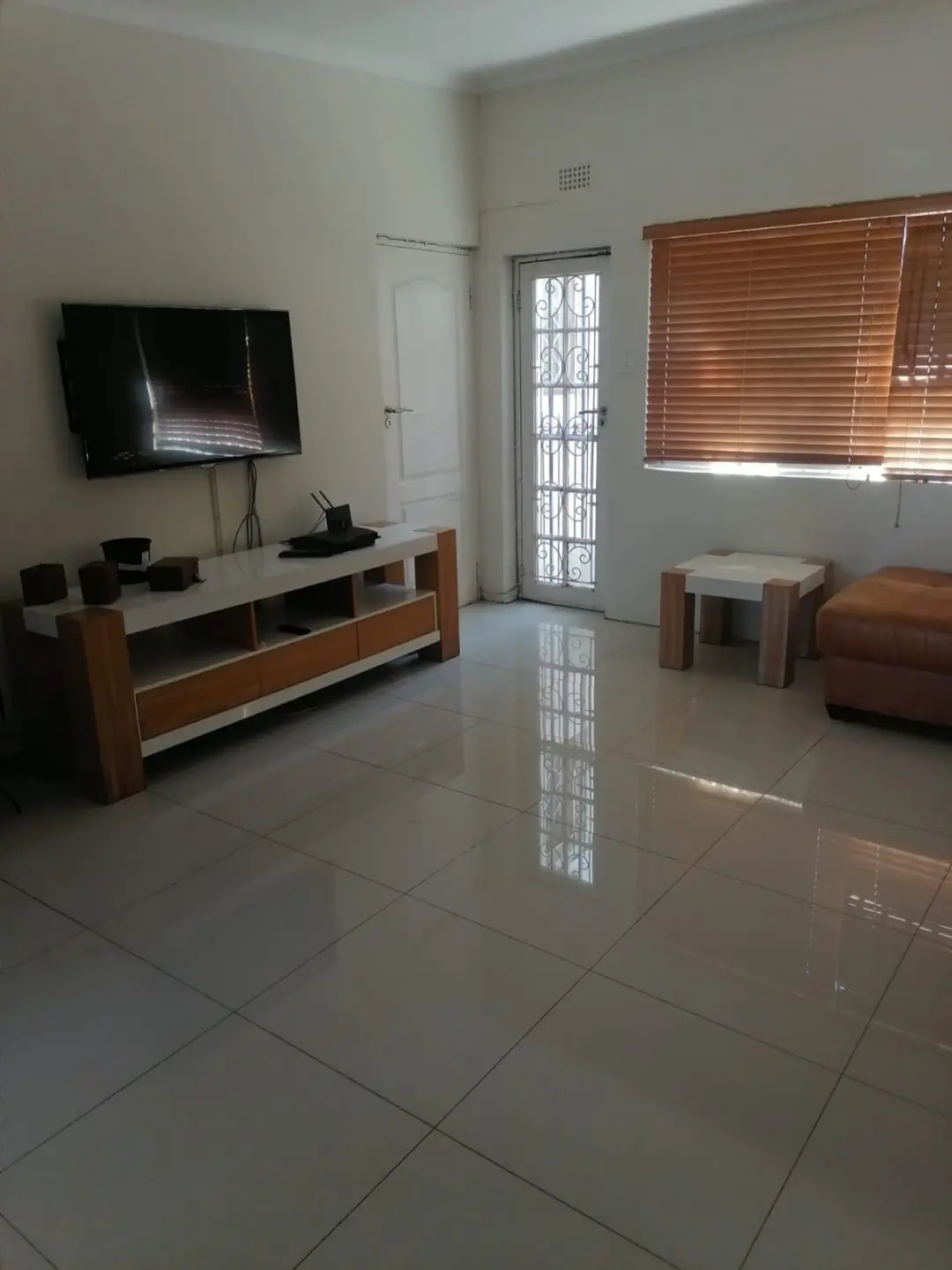
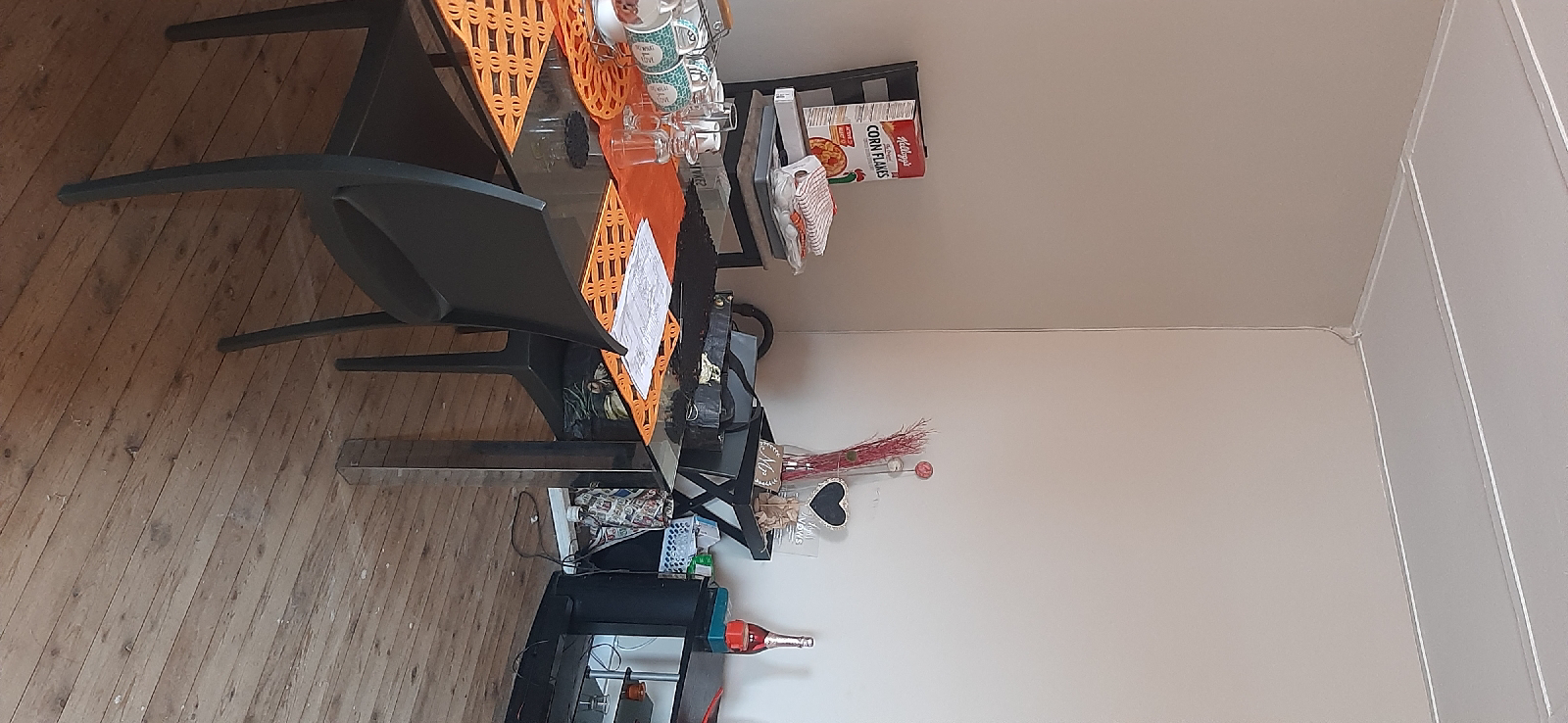
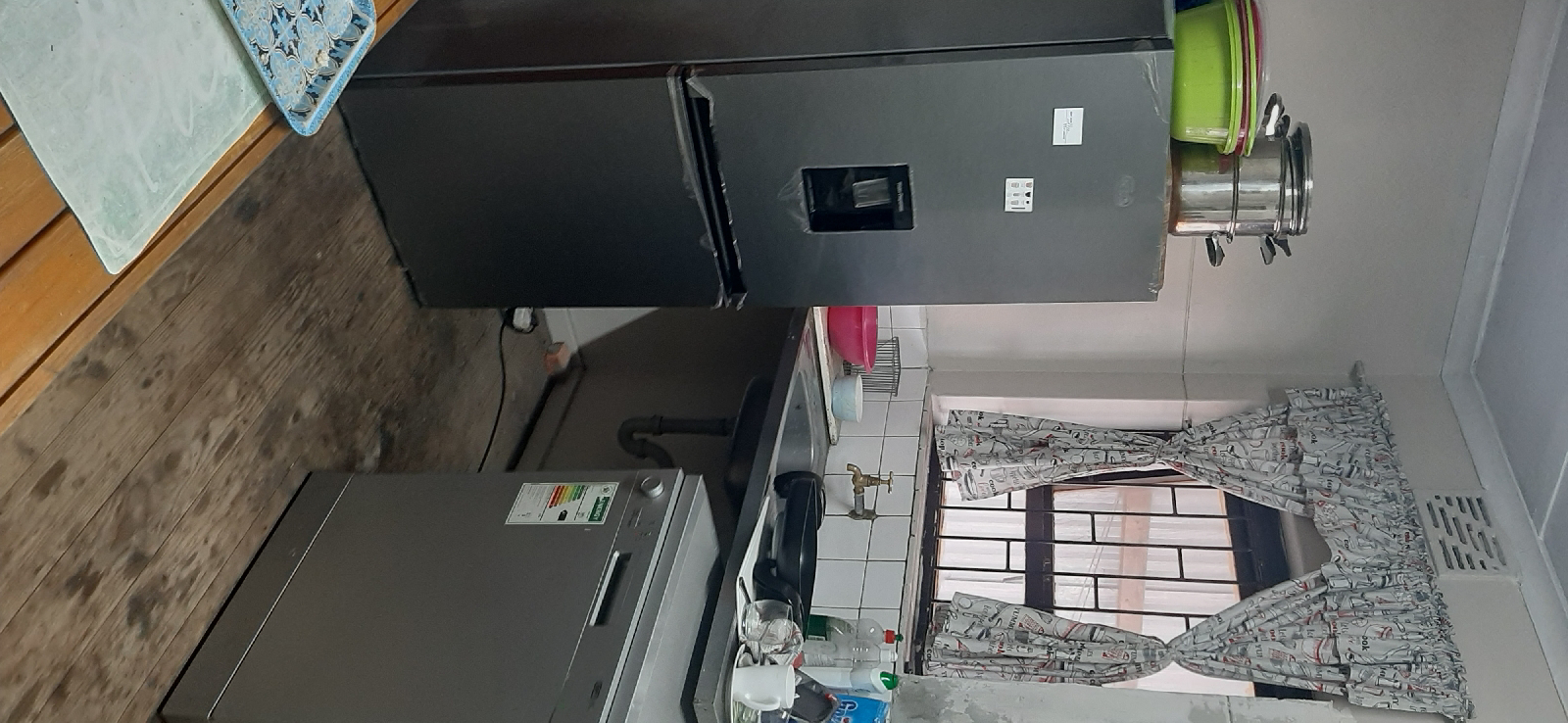
Immaculate House for sale in Lansdowne

4 large bedrooms
Large Tiled Lounge
Large Tiled dining-room 
Fully fitted kitchen 
Kitchenette 
Tiled Bathroom and Toilet 
2 x en-suites 
Scullery and Laundry 
Fireplace 
Jetmastér
Remote Controlled Garage Doors 
Remote Controlled Gates
High Perimeter Boundary Wall
Electric Fence
R2800 000 ⁹
083 624 7129 
info@lakeproperties.co.za 

Saturday, 18 January 2025

HOT PROPERTY FOR SALE IN SILVERTOWN


3 Bedrooms 
Large Lounge 
Kitchen 
Bathroom and Toilet 
Entertainment area
Large Grounds
Corner plot 

Friday, 17 January 2025

What should you do after buying a house

Lake Properties                             Lake Properties   
Lake Properties                          Lake Properties
After buying a house, there are several things you should avoid to ensure a smooth transition into homeownership and maintain financial stability. Here are some key things not to do:

Financially

1. Avoid Making Major Purchases on Credit
Big purchases like furniture, appliances, or a car can impact your credit score and debt-to-income ratio, especially if your mortgage is not fully finalized.

2. Don't Deplete Your Savings
Keep an emergency fund for unexpected repairs, maintenance, or other costs that arise after moving in.

3. Avoid Missing Payments
Ensure timely payments on your mortgage and other bills to avoid damaging your credit or incurring penalties.

4. Don’t Neglect Homeowner’s Insurance
Always keep adequate coverage to protect 

Legally/Procedurally

5. Don’t Ignore the HOA Rules (if applicable)
If your home is part of a homeowner's association, familiarize yourself with its regulations to avoid fines or conflicts.

6. Avoid Making Major Renovations Without Permits
Check local building codes and obtain necessary permits for modifications to avoid legal issues or reduced home value.

7. Don’t Neglect Updating Legal Documents
Update your address on your ID, bank accounts, voter registration, and subscriptions 
Maintenance & Safety

8. Don't Postpone Regular Maintenance
Delaying basic maintenance (like HVAC servicing or gutter cleaning) can lead to costly repairs later.

9. Don’t Skip a Home Safety Check
Test smoke detectors, carbon monoxide detectors, and replace old locks for security.

10. Avoid Landscaping Neglect
Overgrown or unmaintained yards can lead to HOA fines or neighbor disputes and detract from curb appeal.

Lifestyle

11. Don’t Overshare Online
Avoid posting detailed pictures of your house online, as it may compromise your privacy and security.

12. Don’t Rush Into Customizations
Live in the house for a while before making permanent changes to better understand its layout and your needs.

By staying mindful of these pitfalls, you can enjoy your new home with fewer stressors and setbacks.
Lake Properties                              Lake Properties

How do you determine the value of your house in South Africa

Lake Properties                             Lake Properties Lake Properties                         Lake Properties
Determining the value of your house in South Africa involves specific local factors and tools. Here's how you can go about it:

1. Check Comparable Sales (Comps):

Look for recent sales in your area with similar size, features, and condition.

Use online property platforms like Property24, Private Property, or Lightstone to find comparable sales data.

2. Use Online Valuation Tools:

Websites like Property24, Private Property, or Lightstone offer online property valuation services for South African properties.

These tools provide an estimate based on property size, location, and market trends.

3. Consult a Real Estate Agent:

Real estate agents can provide a Comparative Market Analysis (CMA) tailored to your local market.

They have up-to-date knowledge of local trends and buyer behavior.

4. Hire a Professional Valuer:

A registered property valuer can provide a detailed valuation. This is particularly useful for official purposes like loans, insurance, or disputes.

Search for a valuer registered with the South African Council for the Property Valuers Profession (SACPVP).

5. Examine Municipal Valuations:

Check the municipal valuation on your rates and taxes statement.

Note: Municipal valuations may not always reflect the current market value, as they are updated periodically.


6. Consider Location and Features:

Location: Proximity to good schools, transport links, and amenities often increases value.

Features: Renovations, energy-efficient systems, or luxury features can raise the property’s worth.

7. Market Conditions:

The South African property market fluctuates due to economic factors, interest rates, and political stability.

A seller’s market (high demand) increases property values, while a buyer’s market (low demand) decreases them.

8. Request a Lightstone Report:

Lightstone Property reports provide in-depth information on property values, area trends, and market conditions. These are often used by banks and estate 
Lake Properties                           Lake Properties

Wednesday, 15 January 2025

What kind of insurance do you required and what does it cover, when you buying a house in South Africa

Lake Properties                           Lake Properties Lake Properties                           Lake Properties
When buying a hou      se in South Africa, there are several types of insurance to consider. Some are mandatory, while others are optional but recommended:

1. Homeowners Insurance (Buildings Insurance) – Mandatory

Purpose: Covers the structure of the house and any permanent fixtures against risks such as fire, storm, flood, or theft.

Requirement: Most banks require this insurance if you're taking out a home loan (bond).

Cost: Often included as part of the bond repayment, but you can choose your insurer.

2. Bond Insurance (Optional but Recommended)

Purpose: Also known as Mortgage Protection Insurance, this covers your outstanding bond amount in the event of your death, disability, or critical illness.

Requirement: Some banks may insist on it if they assess your financial risk to be high.

3. Household Contents Insurance (Optional)

Purpose: Covers your personal belongings inside the home against theft, fire, or damage.

Requirement: Not mandatory but advisable to protect valuables.

4. Life Insurance (Optional but Often Required by Banks)

Purpose: Ensures the bond is paid off if the borrower passes away.

Requirement: Many banks require life insurance for bond approval, but you can choose your provider.

Additional Notes:

Title Insurance: Not common in South Africa, as the property transfer process involves thorough checks by attorneys.

Flood and Disaster Cover: If the property is in a high-risk area (e.g., floodplain), additional coverage might be required.

When finalizing your property purchase, consult your bank or financial advisor to ensure you meet all insurance requirements.


How does the National Credit Act(NCA) effect me and how does it protect me as a consumer

Lake Properties                            Lake Properties
Lake Properties                         Lake Properties  
TheNational Credit Act (NCA) in South Africa is designed to regulate the credit industry and protect consumers from unfair lending practices. Here's how it affects and protects you as a consumer:

How the NCA Affects You

1. Access to Credit:

Credit providers are required to assess your affordability before granting credit. This ensures that you don't take on debt you cannot repay.

You must provide accurate financial information for credit assessments.

2. Credit Agreements:

The NCA regulates the terms and conditions of credit agreements, ensuring they are fair and transparent.

It mandates that credit providers explain agreements in a language you understand.

3. Credit Bureau Records:

The NCA allows you to access your credit report for free once a year, helping you monitor your financial health.

Credit providers must report your credit history accurately to credit bureaus.

4. Debt Review:

If you are over-indebted, the NCA provides for a process called debt review to help you restructure your debt repayments in a manageable way.

How the NCA Protects You

1. Protection Against Reckless Lending:

Credit providers cannot offer you credit without conducting a proper affordability assessment.

If found guilty of reckless lending, the provider may be required to cancel or restructure the debt.

2. Transparency and Disclosure:

Credit providers must disclose all costs of credit upfront, including interest rates, fees, and total repayment amounts.

This helps you make informed decisions.

3. Unfair Practices:

The NCA prohibits credit providers from charging excessive interest rates or fees.

It also prevents unfair practices like automatic signing of credit agreements or hiding terms in fine print.

4. Dispute Resolution:

The NCA provides mechanisms for resolving disputes through the National Credit Regulator (NCR) or the National Consumer Tribunal (NCT).

You can lodge complaints if you feel a credit provider has acted unlawfully or unfairly.

5. Protection from Harassment:

Creditors must follow legal processes when collecting debt and cannot harass or intimidate you.

6. Access to Redress:

If your rights are violated, you can seek redress through the NCR or take legal action.

By promoting fair credit practices and empowering consumers with rights and information, the NCA aims to create a balanced credit market in South Africa.
Lake Properties                         Lake Properties
      

Monday, 13 January 2025

Do houses always appreciate?

House prices do not always appreciate. While real estate is often seen as a relatively stable investment, various factors can cause property values to decline, stagnate, or appreciate over time.

Factors That Influence House Prices

1. Economic Conditions: Economic downturns can lead to declining property prices, as seen during global recessions or local economic instability.

2. Location: Properties in high-demand areas with good infrastructure, schools, and amenities tend to appreciate more consistently than those in declining or underdeveloped areas.

3. Interest Rates: High interest rates increase borrowing costs, reducing demand for homes and potentially lowering prices.

4. Supply and Demand: An oversupply of houses in an area can lead to price stagnation or decline.

5. Political and Social Factors: In countries like South Africa, political uncertainty, land reform policies, and social challenges can impact property values.

6. Maintenance and Upgrades: Well-maintained properties are more likely to appreciate compared to neglected ones.

Is Buying a House a Good Investment in South Africa?

It depends on your financial goals, location, and market conditions. Here are some pros and cons:

Pros

1. Potential for Long-term Growth: In well-located areas, property values tend to grow over time.

2. Rental Income: If you buy-to-let, rental income can provide a steady cash flow.

3. Tangible Asset: A house is a physical asset that offers a sense of security.

4. Tax Benefits: You might qualify for tax deductions if you own a rental property.

Cons

1. Economic Uncertainty: South Africa faces challenges like fluctuating exchange rates, political instability, and unemployment, which can impact property values.

2. High Costs: Purchasing a home involves costs like transfer duties, bond registration fees, and maintenance.

3. Liquidity: Real estate is not a liquid investment, so selling a property quickly can be challenging.

4. Potential Stagnation: Certain areas experience long-term stagnation or even depreciation due to oversupply or declining demand.

Tips for Investing in South African Property

1. Research Locations: Focus on high-demand areas with strong growth potential, such as urban centers or areas with new infrastructure developments.


2. Understand the Market: Track property trends and consult local experts.


3. Consider Rental Demand: Look at areas with strong rental demand if you're investing for income.

4. Diversify Investments: Avoid putting all your money into property; diversify to mitigate risks.

5. Leverage Smartly: If you take a mortgage, ensure you can afford the repayments, even if interest rates rise.

While property can be a good investment in South Africa, it’s essential to do thorough research, consider economic trends, and align your purchase with your financial goals.


Sunday, 12 January 2025

If I have an individual house with bank loan. Can I go for 2nd house with the extension of loan on first home?


1. Yes, it is possible to purchase a second house by extending or refinancing the loan on your first home in South Africa, provided you meet certain conditions. Here’s how you can approach this:

1. Equity on Your First Home

Access Bond/Refinancing: If your first home has increased in value and you’ve paid off a significant portion of the loan, you can access the equity. This can provide funds for a deposit or even full payment for the second house.

The bank will assess your home's market value and allow you to borrow against the available equity.

2. Affordability Assessment

South African banks follow strict affordability guidelines to ensure borrowers can manage their loans. They will evaluate:

Your combined monthly income.

Current debt obligations, including the first loan.

Credit score and history.

If your affordability allows, you can qualify for a second loan without needing to refinance the first.

3. Second Bond vs. Combined Bond

Second Bond: You can apply for a separate home loan for the second property.

Combined Loan (Refinancing): You can consolidate the first and second loan into one, depending on the lender's policies.

4. Investment Properties

If the second house is for investment (e.g., renting it out), banks might consider the potential rental income as part of your affordability calculation.

Be prepared to pay a higher deposit and possibly higher interest rates for investment properties.

5. Legal and Tax Considerations

Transfer Duties: Buying a second home will likely involve paying transfer duties unless exemptions apply.

Capital Gains Tax (CGT): If you sell the second property later, CGT may apply, depending on how the property is used.

Steps to Proceed

1. Consult your current bank or lender about your refinancing options.

2. Obtain a valuation of your first property to determine its equity.

3. Get pre-approved for a second home loan to understand your borrowing capacity.

4. Seek advice from a financial advisor to ensure this decision aligns with your long-term financial goals.

Would you like help calculating your affordability or guidance on banks offering competitive loans?

Understanding Land Value vs Building Value in Cape Town Property

  Lake Properties                      Lake Properties Lake Properties                  Lake Properties Land value vs building v...

Lake Properties,CapeTown